
Door: Ties en Fay
namibia
Places to be
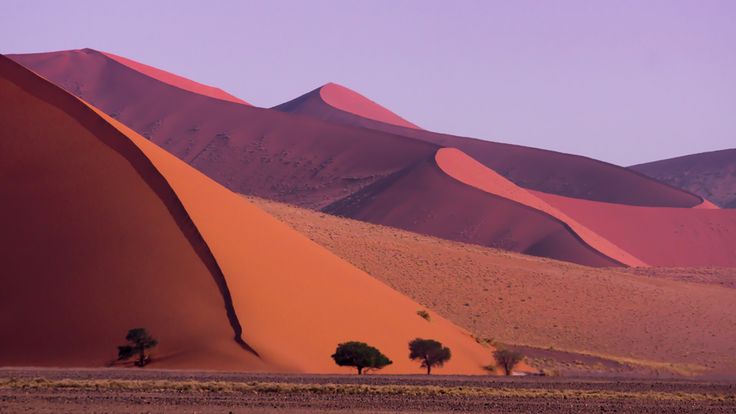
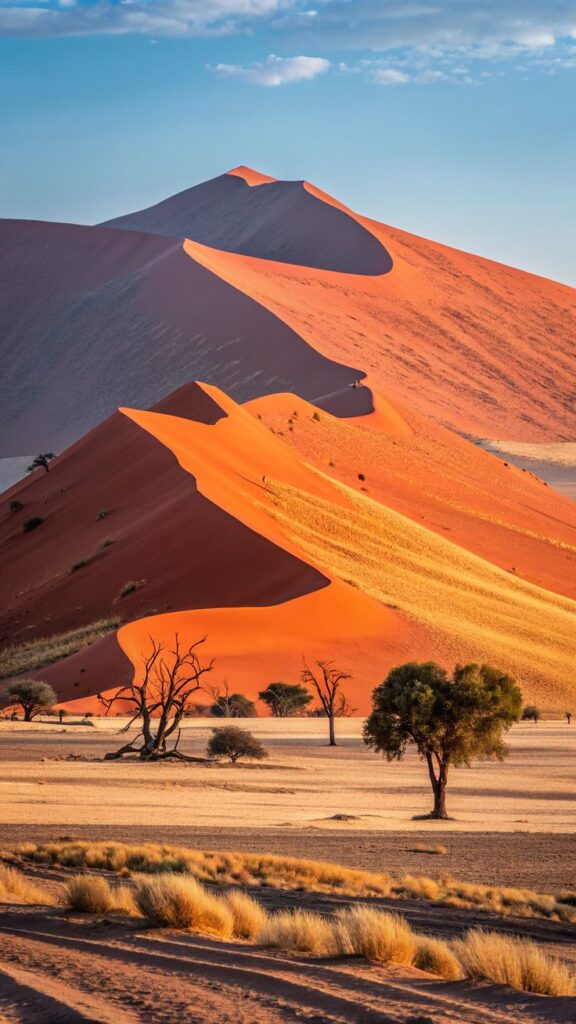
Sossusvlei is vast, silent and breathtakingly beautiful. Towering red dunes rise like waves frozen in time, glowing deep orange at sunrise and soft gold at sunset. The salt pans below feel otherworldly, with ancient camel‑thorn trees standing against endless desert skies. Sossusvlei feels timeless, surreal and deeply peaceful — a place where nature shows its most dramatic shapes.
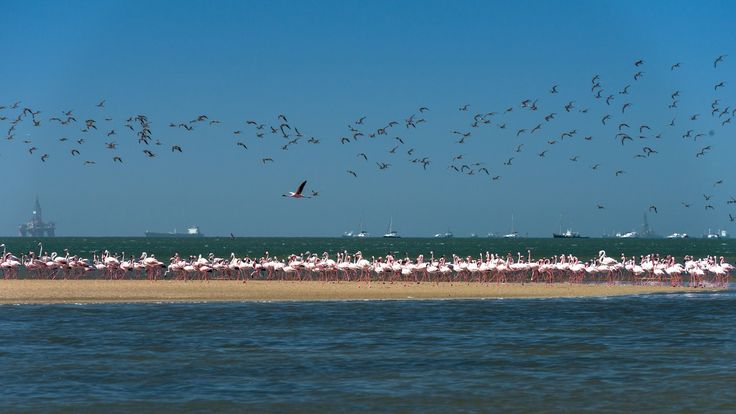
Swakopmund is cool, coastal and wonderfully atmospheric. The Atlantic Ocean meets the desert here, creating misty mornings, fresh sea air and a unique blend of German architecture and African energy. The town feels relaxed and adventurous, with dunes on one side and crashing waves on the other. Swakopmund is charming, breezy and full of seaside character.
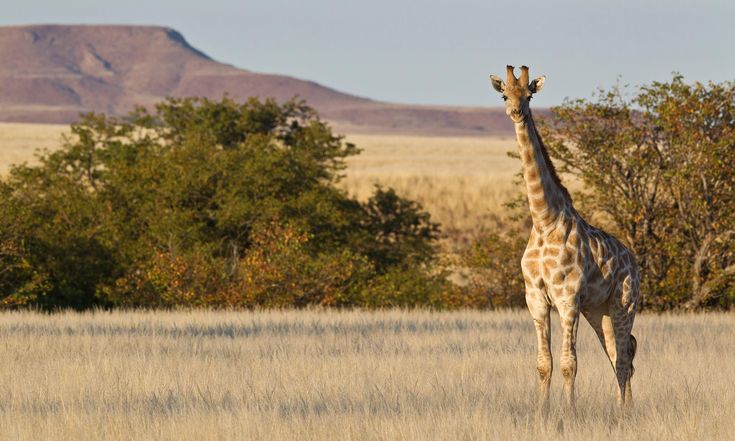
Damaraland is rugged, remote and full of raw natural beauty. The landscape stretches across rocky mountains, open plains and ancient riverbeds, home to desert‑adapted elephants and dramatic geological formations. The colours shift from warm browns to deep reds as the sun moves across the sky. Damaraland feels wild, quiet and deeply connected to the earth.
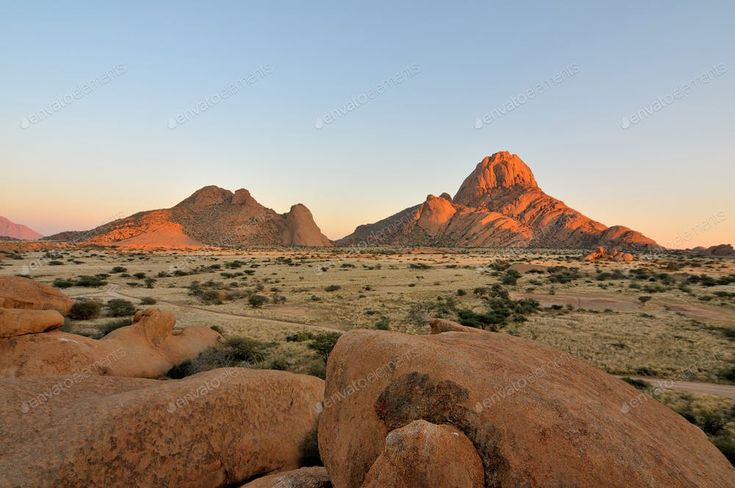
Spitzkoppe is striking, peaceful and almost spiritual. Massive granite peaks rise suddenly from the desert floor, glowing pink and orange in the early light. The area is known for its stillness, star‑filled nights and ancient rock art hidden among the stones. Spitzkoppe feels magical, remote and perfect for those who love wide horizons and quiet moments.
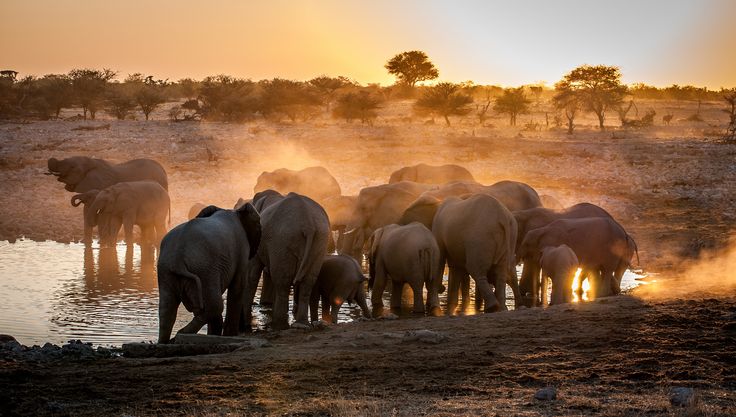
Etosha is iconic, expansive and full of wildlife. The vast white salt pan stretches endlessly, surrounded by open savannah where animals gather at waterholes throughout the day. Elephants, lions, giraffes and antelope move across the landscape in the soft desert light. Etosha feels wild, open and unforgettable — a place where nature unfolds in its purest form.
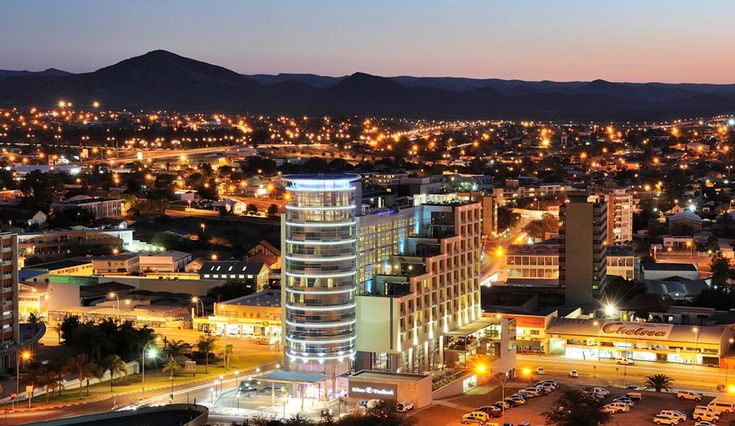
Windhoek is calm, clean and quietly vibrant. The city sits among rolling hills, blending modern cafés and markets with German‑influenced architecture and wide, sunlit streets. It’s a gentle introduction to Namibia — relaxed, friendly and surrounded by open landscapes. Windhoek feels safe, warm and easygoing, with a soft desert breeze running through the city.
The right time to go
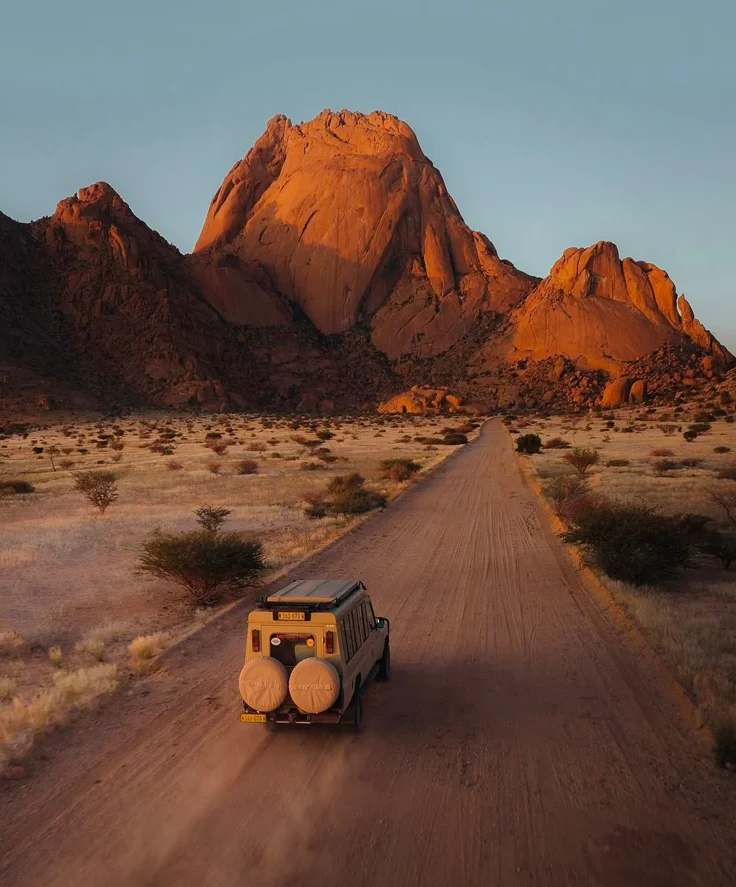
Namibia in the European summer feels calm, clear and beautifully balanced. From June to August, the days are warm and sunny, the nights cool and crisp, and the landscapes glow in soft winter light. It’s one of the most comfortable and popular times to explore the country — dry, peaceful and full of wildlife.
In Windhoek, the air feels fresh in the mornings and pleasantly warm by midday. The city sits quietly among its hills, with golden winter light softening the streets and mountains around it. Cafés open their terraces, markets feel lively and the skies stay bright and cloudless. It’s a gentle, easy season to begin your journey.
In Sossusvlei, the dunes become even more dramatic. The cooler temperatures make sunrise hikes comfortable, and the sand glows in deep shades of orange and red. The salt pans feel still and silent, with long shadows stretching across the desert floor. The air is crisp, the light sharp and the landscape breathtaking. This is Sossusvlei at its most photogenic.
Along the coast, Swakopmund turns cool and misty. The Atlantic Ocean brings morning fog that drifts over the dunes, creating a dreamy, soft atmosphere. Days are mild, perfect for exploring the town, walking along the beach or heading into the desert for sand‑dune adventures. The contrast between cold ocean air and warm inland sun feels refreshing and unique.
In Damaraland, the dry season reveals the region’s rugged beauty. The landscape opens up in warm browns and soft greys, and wildlife becomes easier to spot as animals gather around water sources. Desert‑adapted elephants wander through dry riverbeds, and the rocky mountains glow in golden afternoon light. Damaraland feels wild, quiet and deeply atmospheric.
At Spitzkoppe, the granite peaks rise sharply against clear winter skies. The air is cool and still, perfect for climbing, exploring or simply watching the rocks shift from pale gold to deep orange as the sun moves. Nights are cold but magical, with some of the brightest stars in Africa stretching across the sky.
In Etosha National Park, this is the prime wildlife season. The dry months draw animals to the waterholes, creating incredible viewing moments — elephants dusting themselves in white earth, lions resting in the shade, giraffes moving slowly across the shimmering pan. The landscape feels open, bright and full of life.
Everywhere you go, Namibia in the European summer feels calm, clear and wonderfully alive. It’s a season of cool mornings, warm days and unforgettable wildlife — a time when the country reveals its most accessible and beautifully balanced side.
Travel tips
English is the official language of Namibia and is widely used in cities, tourism and national parks. Local languages such as Oshiwambo, Damara, Herero and Afrikaans are commonly spoken in different regions. Simple greetings like wa lalapo (hello in Oshiwambo) or hallo (hello in Afrikaans) are warmly appreciated and reflect the country’s friendly, multicultural spirit.

Travel across Namibia is mainly by road. The country has long, well‑maintained highways and many gravel routes leading to remote landscapes. Renting a car — often a 4×4 — is the most common way to explore. Domestic flights connect Windhoek with coastal towns and safari regions. In cities, taxis and private transfers are available, while guided tours are recommended for desert areas and national parks.
Namibian culture values respect, calmness and warm hospitality. Greetings are important — a friendly hello before asking a question is considered polite. Dress comfortably and modestly in rural communities, and follow local guidance when visiting cultural sites. Always ask permission before photographing people, and respect wildlife by keeping a safe distance.

Currency: Namibian Dollar (NAD), often used interchangeably with the South African Rand (ZAR). Cash is useful in small towns and remote lodges, while cards are accepted in hotels, restaurants and shops. Namibia is generally safe and peaceful for travellers. Roads can be long and isolated, so carry water, fuel and supplies when driving. Wildlife areas require caution — always follow ranger or guide instructions. Sun protection and hydration are essential in the dry desert climate.