
Door: Ties en Fay
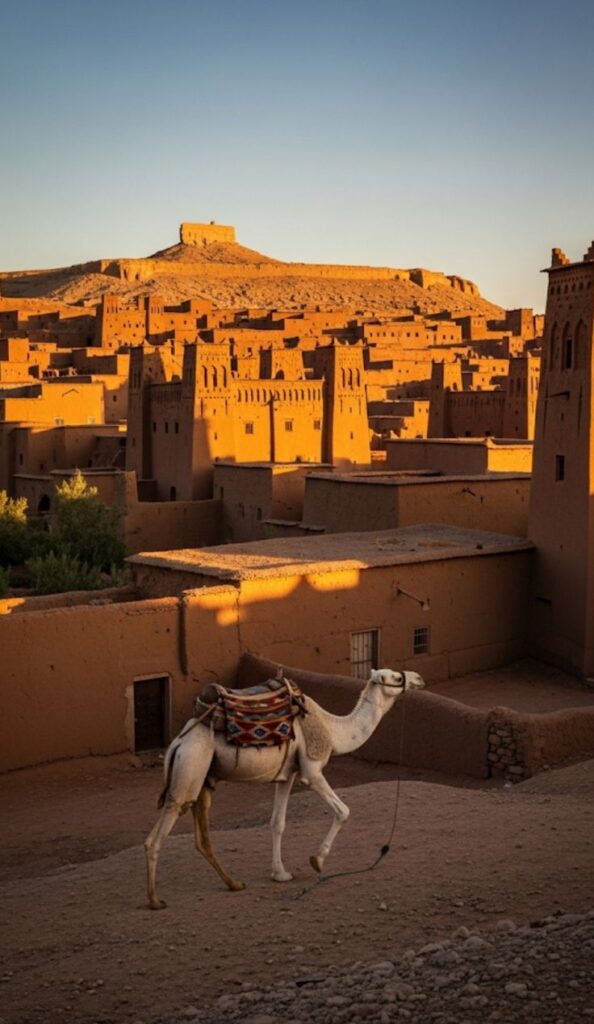
morocco
Places to be
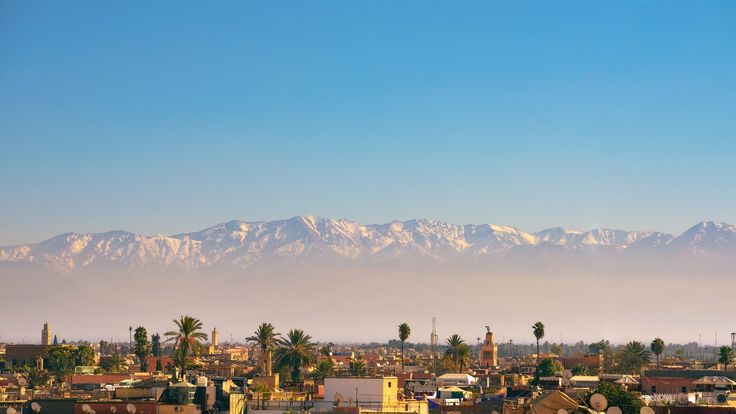
Marrakech is vibrant, warm and full of sensory energy. The medina buzzes with colourful souks, hidden riads, spice stalls and lively squares. The Jardin Majorelle offers a calm oasis of blue and green, while the Atlas Mountains rise in the distance. Marrakech feels dynamic, exotic and endlessly fascinating — a city where tradition and modern life blend into one captivating rhythm.
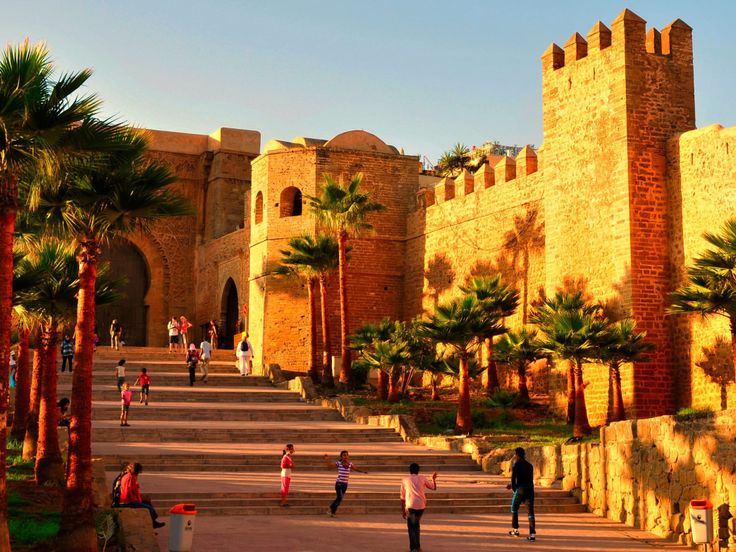
Rabat is calm, coastal and beautifully refined. The city blends modern boulevards with historic kasbahs, ocean views and soft Atlantic breezes. The Kasbah of the Udayas glows white and blue above the water, while palm‑lined avenues lead to peaceful gardens and elegant architecture. Rabat feels clean, relaxed and quietly sophisticated — a gentle introduction to Morocco’s culture and coastal charm.
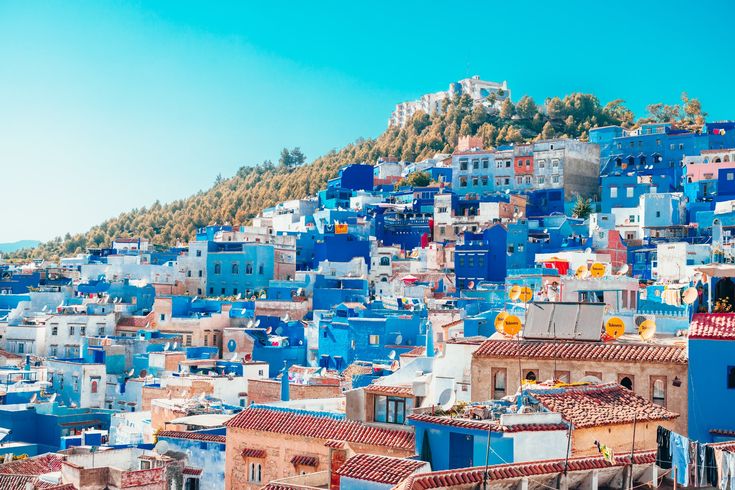
Chefchaouen is soft, blue and wonderfully serene. The entire town is painted in shades of sky and ocean, creating a dreamy, calming atmosphere. Narrow lanes climb gently through the mountains, lined with blue‑washed houses, quiet squares and small local shops. Chefchaouen feels peaceful, photogenic and almost magical — a tranquil escape in the Rif Mountains.
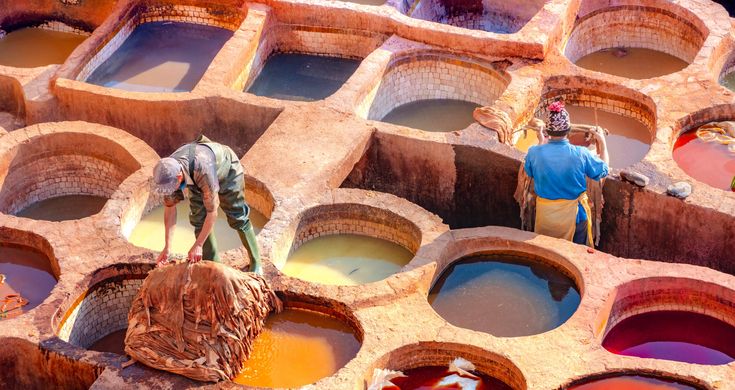
Fes el‑Bali is ancient, intricate and full of living history. The medina is a maze of narrow alleys, traditional workshops, colourful souks and centuries‑old architecture. The sound of artisans at work fills the air, and the scent of spices drifts through the streets. Fes el‑Bali feels immersive, authentic and deeply cultural — a place where tradition is woven into everyday life.
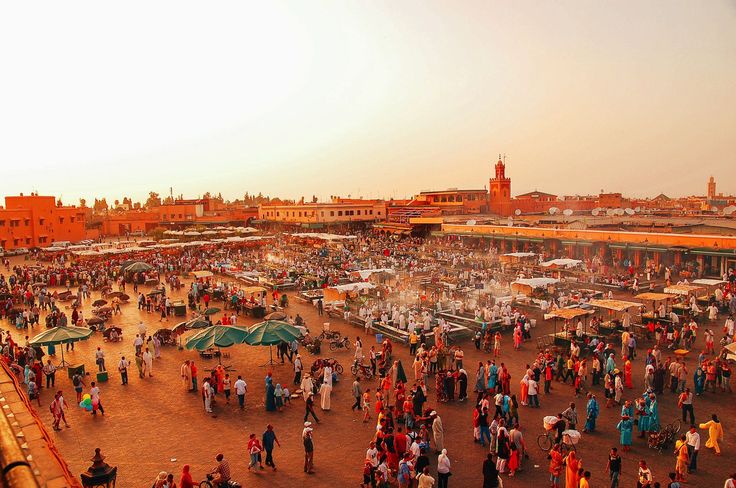
Merzouga is the gateway to the Sahara — vast, golden and deeply peaceful. The dunes of Erg Chebbi rise like soft waves of sand, glowing orange at sunrise and deep red at sunset. Nights are quiet and star‑filled, with a stillness that feels almost otherworldly. Merzouga is warm, remote and magical — a place where the desert stretches endlessly and time seems to slow.
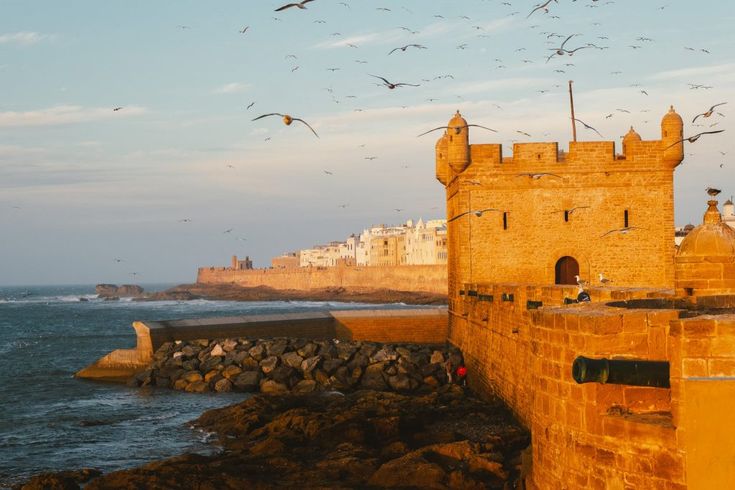
Essaouira is breezy, artistic and full of seaside soul. The medina is wrapped in white walls and blue shutters, with narrow streets filled with craft shops, cafés and the scent of the ocean. Fishing boats rest in the harbour, seagulls circle above the ramparts and the Atlantic wind gives the town its fresh, lively energy. Essaouira feels creative, laid‑back and effortlessly charming.
The right time to go
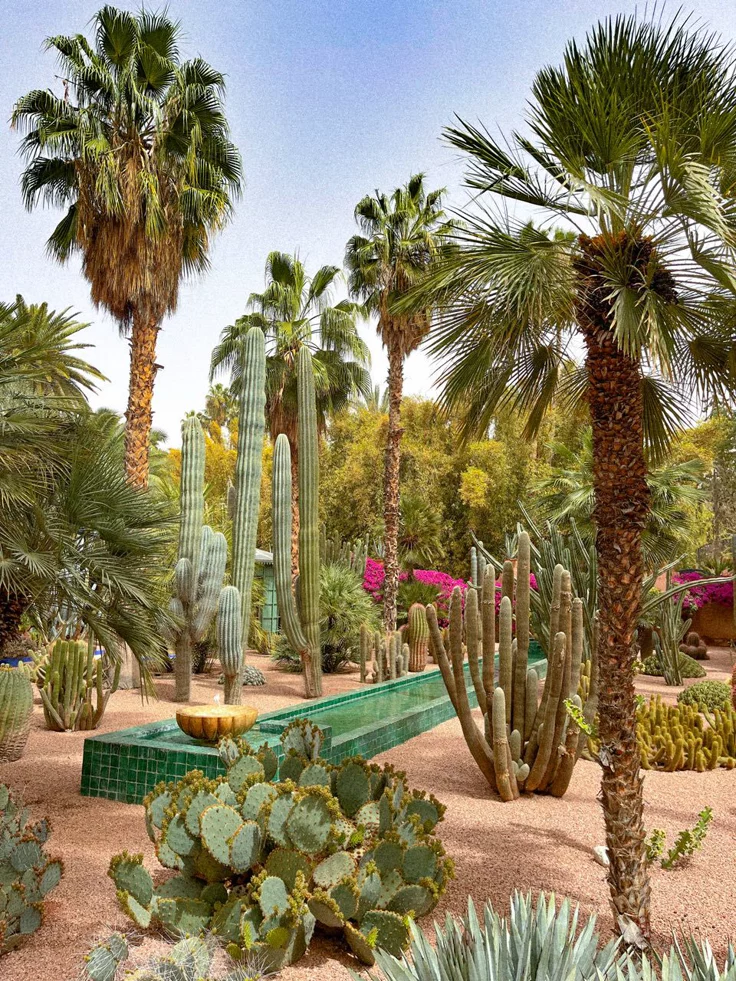
Spring in Morocco feels warm, colourful and full of gentle life. From March to May, the days become pleasantly sunny, the evenings cool and refreshing, and the landscapes turn vibrant after the winter rains. Valleys grow green, flowers bloom across the countryside, and the cities glow softly under clear blue skies. It’s one of the most beautiful and comfortable seasons to explore the country.
In Marrakech, spring brings a soft golden light that makes the red walls glow. Orange blossoms scent the air, gardens burst into colour, and the medina feels lively without the heavy heat of summer. Rooftop cafés are warm and breezy, and the Atlas Mountains stand crisp and clear in the distance. Spring makes the city feel bright, fragrant and full of energy.
Up in the Atlas Mountains, the season feels fresh and green. Snow still touches the highest peaks, while the valleys below fill with wildflowers and almond blossoms. Trails open up again, offering mild weather for hiking and quiet views over Berber villages. Spring is one of the best times to explore these mountains — cool, scenic and wonderfully alive.
In Fes, the ancient medina becomes easier to wander. The days are warm but gentle, perfect for exploring narrow alleys, colourful souks and centuries‑old architecture. Without the intense summer heat, the city’s rhythm feels slower and more inviting. Spring adds a soft brightness to the old streets, making the cultural heart of Morocco feel even more atmospheric.
Along the coast, Essaouira enjoys breezy, sunlit days. The Atlantic wind keeps the air fresh, the harbour fills with blue fishing boats, and the white‑and‑blue medina feels calm and artistic. Spring is ideal for wandering the ramparts, exploring craft shops or simply enjoying the ocean light.
Far to the east, Merzouga and the Sahara become magical in spring. The dunes glow softly at sunrise, the days are warm but not overwhelming, and the nights are cool enough for peaceful desert camping. It’s one of the most comfortable times to experience the silence, stars and vastness of the desert.
Everywhere you go, spring in Morocco feels vibrant, gentle and full of colour. It’s a season of warm sunshine, blooming landscapes and soft evening breezes — a time when the country reveals its most balanced and beautiful side.
Travel tips
Arabic and Amazigh (Berber) are the official languages of Morocco. French is widely spoken in cities, restaurants and shops, while English is increasingly common in tourist areas. Simple phrases like salaam alaikum (hello) and shukran (thank you) are warmly appreciated and reflect Morocco’s welcoming spirit.
Travel between major cities is easy by train, especially along routes connecting Rabat, Casablanca, Fes and Marrakech. Buses and shared taxis reach smaller towns and coastal areas. For the Sahara or remote regions, private drivers and organized tours are the most comfortable option. In cities, taxis are common, and walking is ideal for exploring medinas.
Moroccan culture values respect, hospitality and modesty. Greetings are important — a friendly hello before asking a question is considered polite. Dress modestly in medinas and rural areas, especially near religious sites. Always ask permission before photographing people, and use your right hand when giving or receiving items.
Currency: Moroccan Dirham (MAD). Cash is useful in souks and smaller towns, while cards are accepted in hotels and many restaurants. Morocco is welcoming and generally safe for travellers. In busy medinas, keep belongings secure and be aware of your surroundings. Tap water varies by region, so many travellers prefer bottled water. Sun protection is essential, especially in desert and coastal areas.