
Door: Ties en Fay
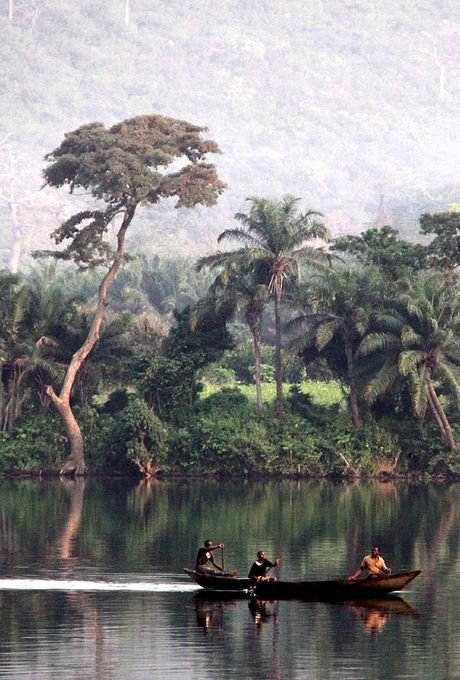
ghana
Places to be
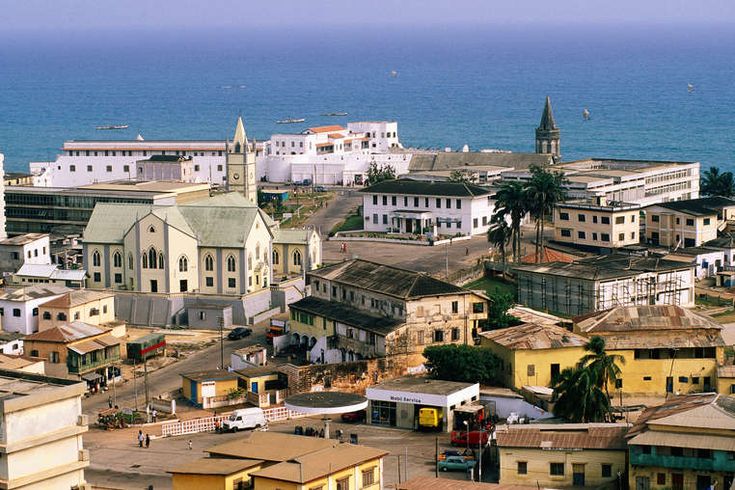
Accra is lively, colourful and full of coastal energy. The city blends modern neighbourhoods with traditional markets, art districts and oceanfront promenades. Beaches stretch along the Gulf of Guinea, while cafés, galleries and music fill the city with creativity. Accra feels dynamic, warm and full of personality — a place where culture, community and seaside life come together.

The Ashanti region is cultural, proud and deeply rooted in tradition. Villages are known for their craftsmanship — from kente weaving to wood carving and goldsmithing. The landscape is green and rolling, with a strong sense of heritage woven into daily life. The Ashanti region feels authentic, welcoming and full of stories passed down through generations.
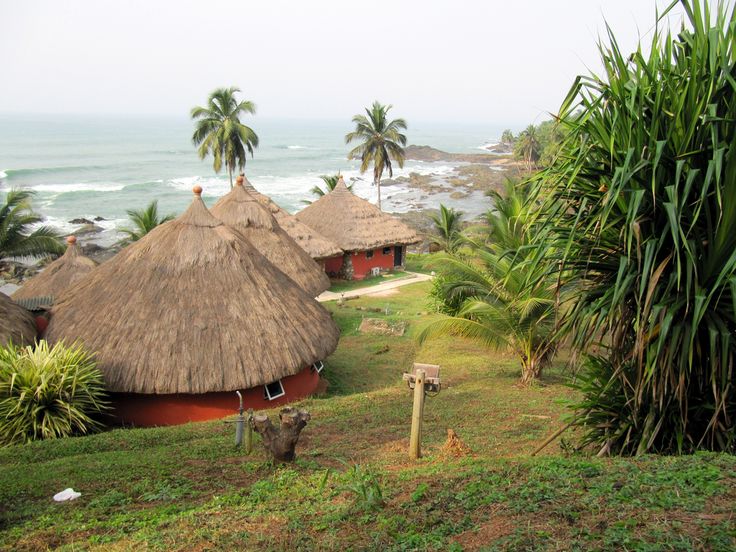
Axim is calm, coastal and beautifully relaxed. The town sits along a stretch of golden beach, with palm trees swaying in the breeze and fishing boats dotting the shoreline. Fort St. Anthony overlooks the ocean, adding a touch of history to the peaceful scenery. Axim feels slow, warm and wonderfully laid‑back — a gentle escape on Ghana’s western coast.
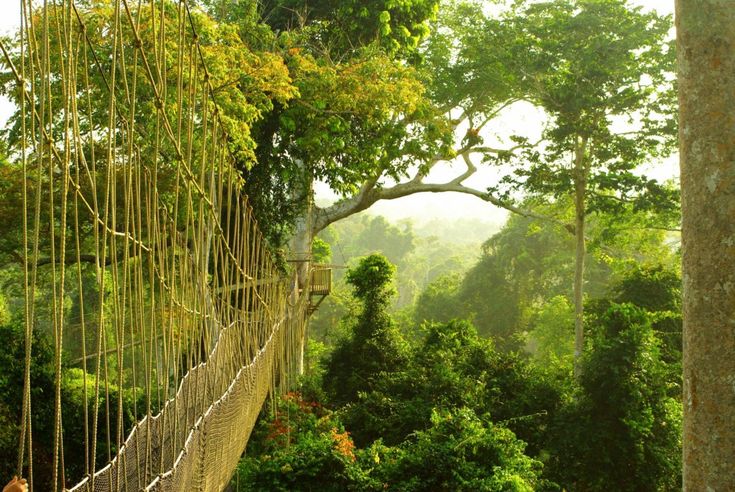
Kakum is lush, green and wonderfully immersive. Dense rainforest stretches in every direction, filled with birdsong, towering trees and soft filtered light. The famous canopy walkway floats high above the forest floor, offering peaceful views over the treetops. Kakum feels natural, quiet and refreshing — a place where you can breathe deeply and feel surrounded by pure nature.
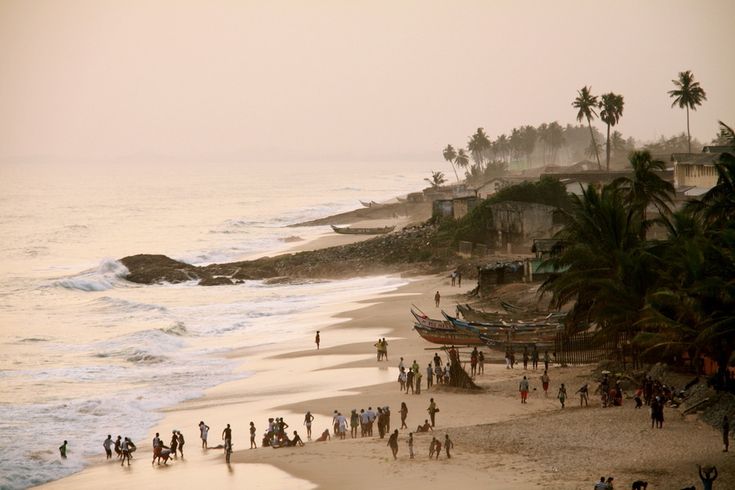
Cape Coast is historic, coastal and deeply atmospheric. The town stretches along the Atlantic Ocean, where waves crash against old fort walls and fishing boats rest on golden sand. Cape Coast Castle stands as a powerful reminder of the past, overlooking a shoreline filled with colour and local life. The town feels warm, reflective and full of cultural depth — a place where history and ocean rhythms meet.
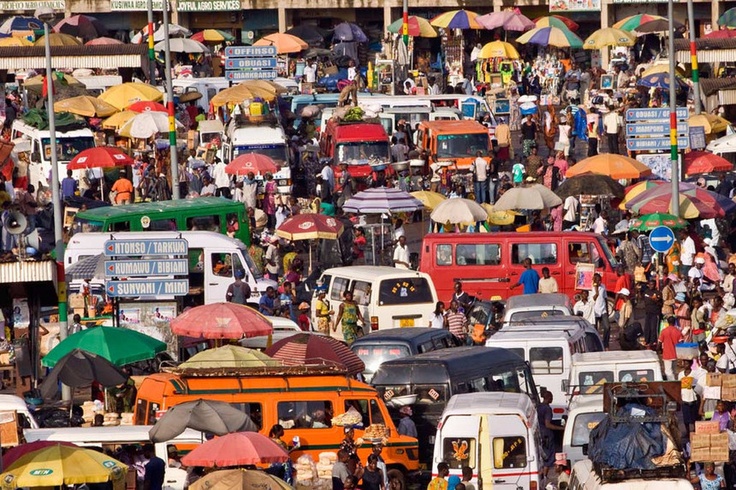
Kumasi is the vibrant heart of the Ashanti region — lively, cultural and full of tradition. Markets overflow with crafts, textiles and carved wooden art, while the city’s royal heritage shines through its museums and palaces. The atmosphere is warm and energetic, with a strong sense of identity and community. Kumasi feels rich in culture, creativity and everyday life.
The right time to go
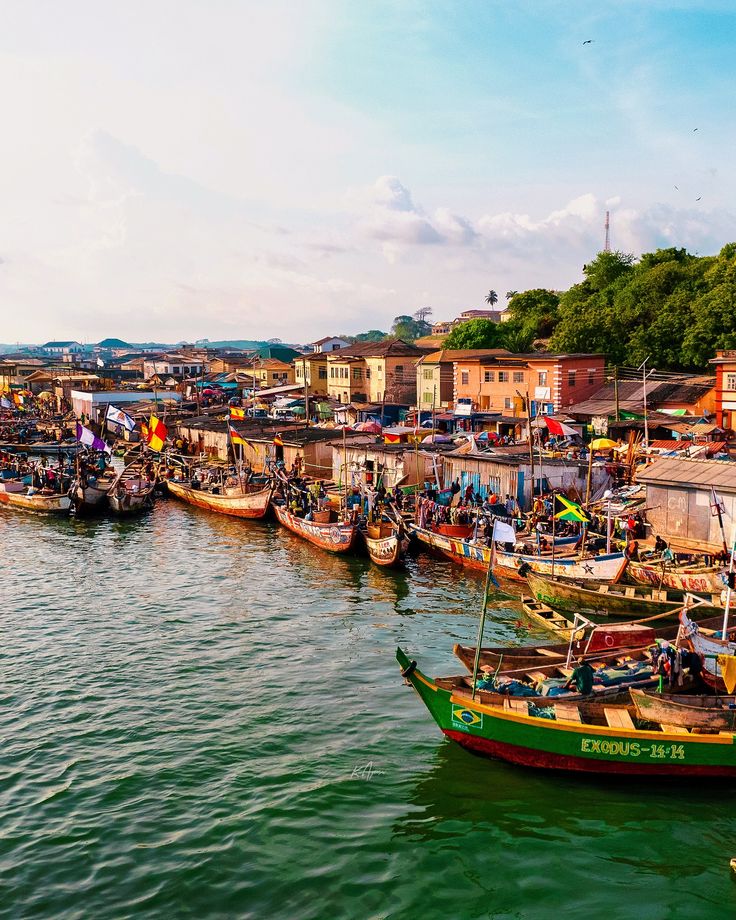
Winter in Ghana feels warm, bright and full of life. From December to February, the days are sunny, the evenings soft and breezy, and the landscapes glow with golden light. It’s one of the most comfortable and vibrant seasons to explore the country’s coast, culture and nature.
In Accra, winter brings long, sunlit days along the Gulf of Guinea. The city feels lively and colourful, with markets buzzing, cafés opening their doors to the warm air and the ocean shimmering under clear skies. Beaches fill with soft music and gentle waves, while art districts and coastal promenades glow in the late‑afternoon light. Winter here feels energetic yet relaxed, wrapped in warm coastal breezes.
Further west, Cape Coast becomes calm and atmospheric. The ocean crashes softly against the shore, fishing boats rest on golden sand and Cape Coast Castle stands bright against the blue sky. The air is warm but not heavy, perfect for wandering through historic streets or watching the sun set over the Atlantic. Winter adds a quiet, reflective beauty to this coastal town.
Inland, Kumasi feels warm and full of cultural rhythm. The markets overflow with colour, kente fabrics and carved wooden art, while the city’s royal heritage shines through its palaces and museums. Winter brings clear skies and comfortable temperatures, making it easy to explore the lively streets and the traditions of the Ashanti region.
Nearby, the Ashanti villages feel peaceful and deeply rooted in heritage. Craftsmen weave bright textiles, shape wooden sculptures and work with gold in small workshops. The air is warm and gentle, and the surrounding landscape turns soft and green. Winter here feels authentic, welcoming and full of stories.
In the rainforest, Kakum National Park becomes fresh and bright. The canopy walkway floats above the treetops, offering clear views over the forest as sunlight filters through the leaves. Mornings are cool and quiet, perfect for walking through the lush greenery and listening to the sounds of the jungle waking up.
Along the western coast, Axim is warm, slow and wonderfully peaceful. Palm trees sway in the breeze, waves roll gently onto wide beaches and Fort St. Anthony watches over the shoreline. Winter days here feel long and soothing — perfect for relaxing by the ocean or exploring quiet coastal villages.
Everywhere you go, winter in Ghana feels warm, bright and full of gentle energy. It’s a season of golden light, soft breezes and vibrant culture — a time when the country reveals its most welcoming and sun‑soaked side.
Travel tips
English is the official language and widely spoken across the country. Local languages such as Twi, Fante, Ewe and Ga are commonly heard in different regions. Simple greetings like akwaaba (welcome) and medaase (thank you) are warmly appreciated and reflect Ghana’s friendly spirit.

Travel between cities is mainly by road. Buses and minibuses connect major towns, while private drivers offer comfort for longer journeys. Domestic flights link Accra with Kumasi, Tamale and other regions. In cities, taxis and ride‑hailing services are common, while coastal areas often use small boats for short trips.
Ghanaian culture values warmth, respect and community. Greetings are important — a friendly hello before asking a question is considered polite. Dress modestly in rural areas and when visiting cultural or historical sites. Using your right hand when giving or receiving items is a sign of respect.
Currency: Ghanaian Cedi (GHS). Cash is useful in markets and smaller towns, though cards are accepted in hotels and many restaurants. Ghana is welcoming and generally safe for travellers. As in any busy city, keep belongings secure in crowded areas. Coastal regions can have strong waves, so take care when swimming. Hydration and sun protection are essential in the warm climate.