
Door: Ties en Fay
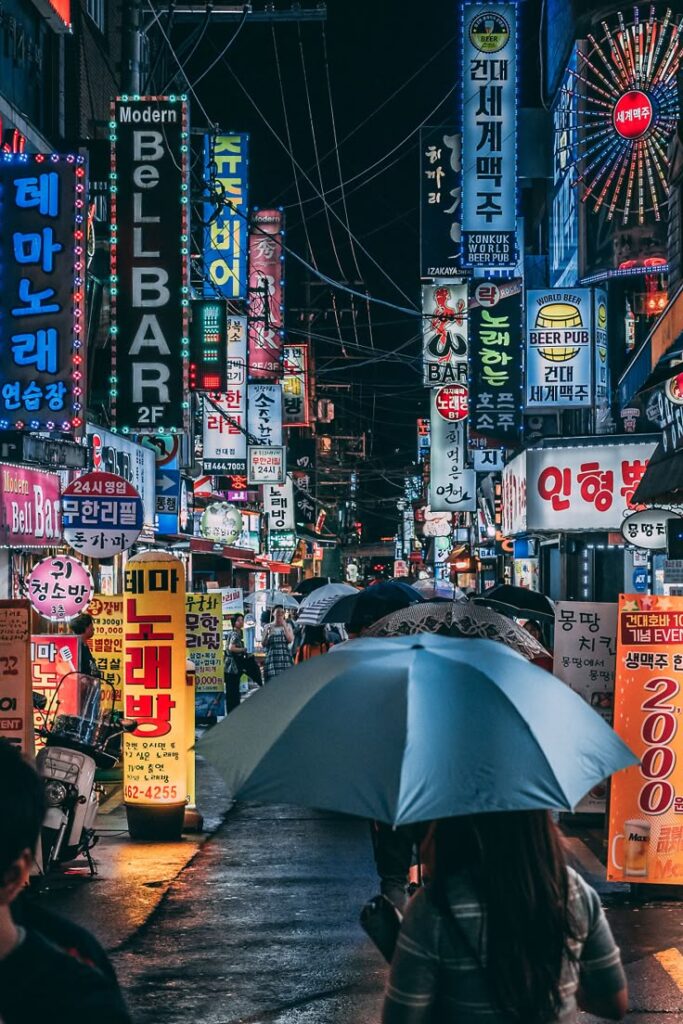
south korea
Places to be
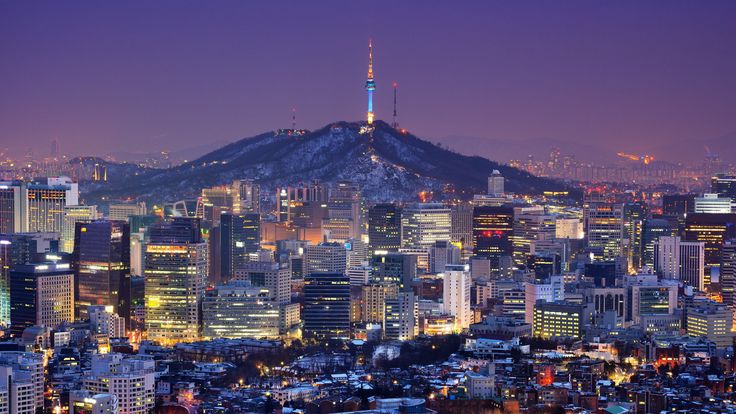
Seoul is a vibrant blend of old and new — a city where ancient palaces stand beside modern towers, and quiet temples hide between lively streets. The Han River flows calmly through the city, while neighbourhoods like Bukchon and Insadong feel traditional and artistic. At night, Seoul glows with soft lights, bustling markets and warm cafés. It’s energetic yet comforting, a place where history and modern life move together beautifully.
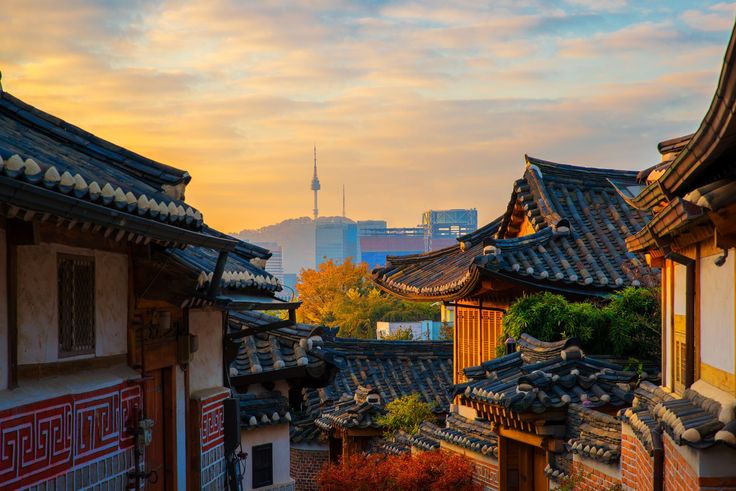
Busan is bright, coastal and full of relaxed energy. Beaches stretch along the shoreline, colourful houses climb the hills, and fresh sea air fills the city. Haeundae and Gwangalli offer soft sand and ocean views, while Jagalchi Market brings the lively rhythm of local life. Busan feels warm, friendly and open, with a gentle seaside charm that contrasts beautifully with its modern skyline.
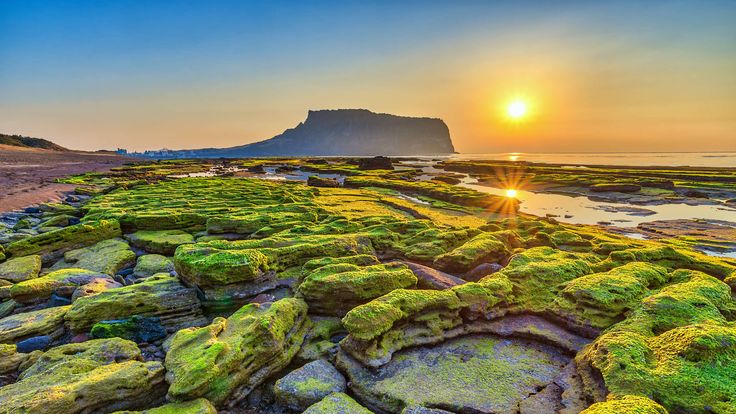
Jeju Island is peaceful, natural and deeply soothing. Volcanic landscapes, waterfalls and quiet beaches shape the island’s gentle atmosphere. Hallasan rises above green fields, while coastal paths wind along cliffs and turquoise water. Jeju feels slow and refreshing — a place of soft breezes, warm sunlight and calm island living. It’s one of South Korea’s most serene escapes.
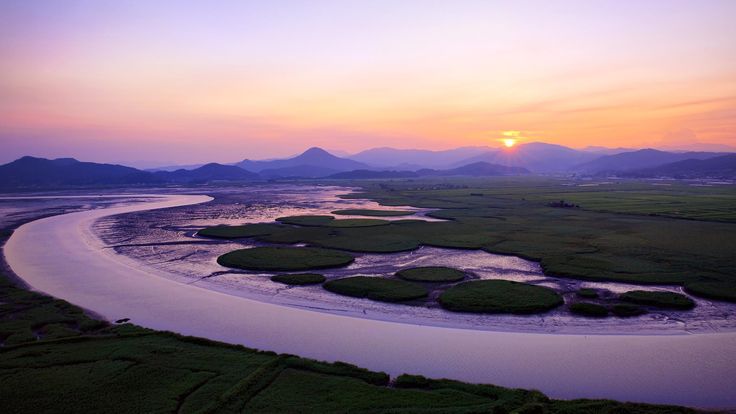
Suncheon is green, quiet and beautifully connected to nature. The Suncheon Bay Wetland Reserve is its heart — wide open landscapes, reed fields swaying in the wind, and calm water reflecting the sky. Traditional villages and peaceful gardens add to the region’s gentle charm. Suncheon feels soothing and natural, a place where time moves slowly and the scenery feels untouched.
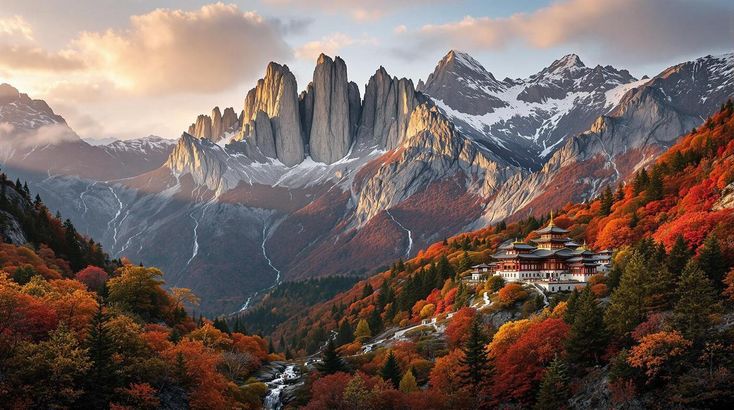
Mt. Seorak is dramatic, majestic and full of natural beauty. Jagged peaks rise above deep forests, and the air feels crisp and pure. Trails lead through valleys, waterfalls and rocky viewpoints, offering breathtaking scenery in every direction. In autumn, the mountains glow with red and gold leaves. Seoraksan feels powerful yet peaceful — a perfect escape into Korea’s wild landscapes.
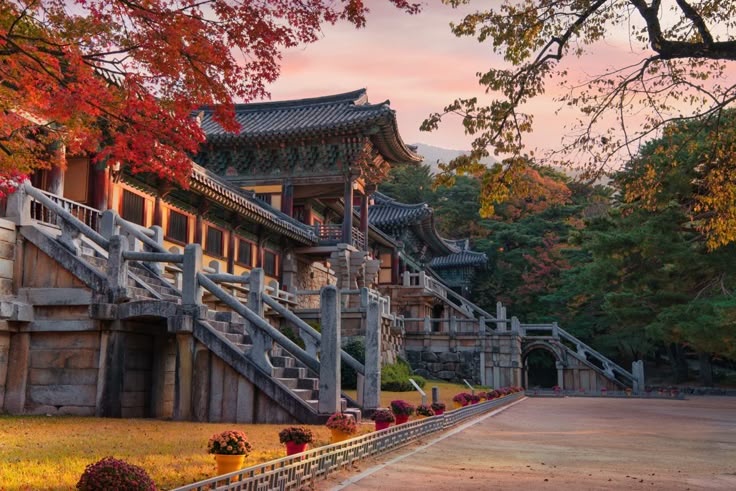
Gyeongju is often called Korea’s “museum without walls” — a city filled with ancient tombs, temples and historical treasures. Soft green hills hide centuries‑old burial mounds, while Bulguksa Temple and the Seokguram Grotto reflect the country’s deep spiritual heritage. The city feels calm, timeless and beautifully preserved. Walking through Gyeongju is like stepping gently into Korea’s past.
The right time to go
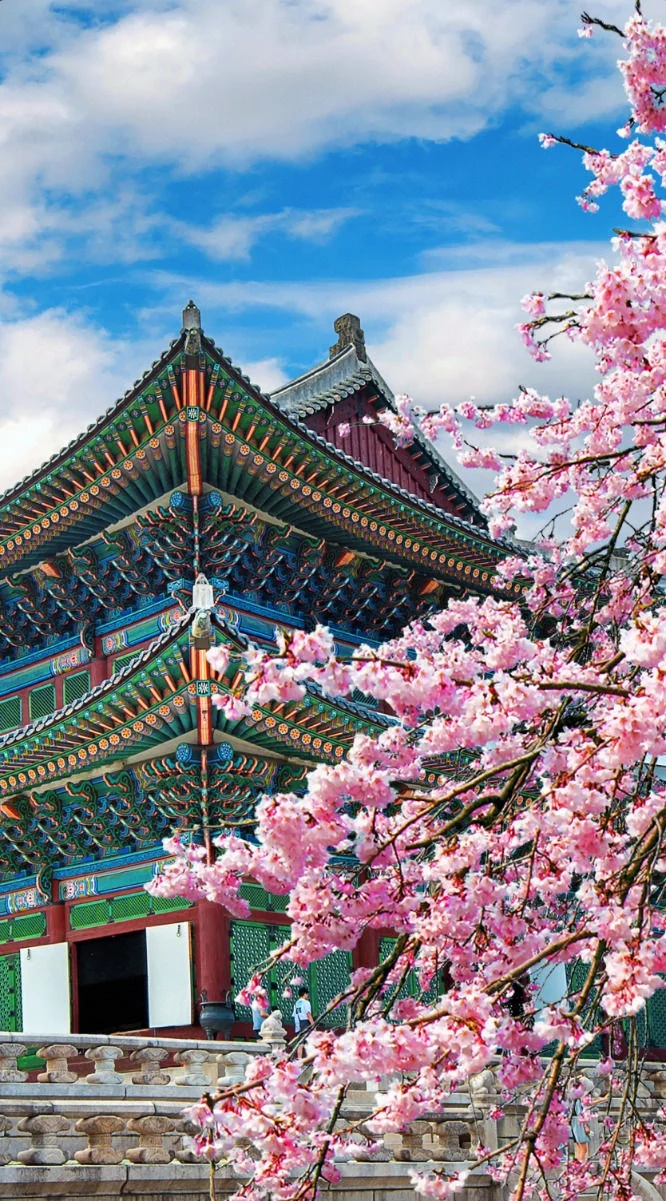
Spring in South Korea feels light, colourful and full of gentle renewal. From March to May, the air softens, blossoms open across the country, and the landscapes shift into soft shades of pink, white and fresh green. It’s one of the most beautiful seasons to experience the country’s cities, mountains and coastlines.
In Seoul, spring arrives with delicate cherry blossoms lining the riverbanks and palace gardens. The Han River glows under warm sunlight, and neighbourhoods like Bukchon and Samcheong‑dong feel especially charming with blooming trees and quiet, traditional streets. Cafés open their windows to the breeze, and the city takes on a soft, romantic atmosphere.
Further south, Busan welcomes spring with bright skies and gentle ocean air. Haeundae Beach feels warm and peaceful, while the colourful houses of Gamcheon Culture Village glow even brighter under the spring sun. Along the coast, cherry blossoms frame ocean views, creating a calm, seaside version of the season.
On Jeju Island, spring feels natural and refreshing. Yellow canola flowers blanket the fields, Hallasan rises above green slopes, and waterfalls run clear and strong after winter. The island’s coastal paths feel bright and breezy, with soft sunlight reflecting on turquoise water. Jeju in spring is slow, soothing and deeply peaceful.
In Suncheon, spring transforms the wetlands into a gentle, green landscape. Reed fields sway in the wind, migratory birds return to the bay, and the gardens bloom with soft colours. The whole region feels quiet and natural — a place where spring unfolds slowly and beautifully.
Up in the mountains, Mt. Seorak (Seoraksan) becomes crisp and bright. Snow melts from the peaks, streams run clear, and the forests fill with fresh leaves. The air is cool and pure, perfect for peaceful hikes through valleys and rocky viewpoints. Spring brings a sense of clarity to the mountains.
In Gyeongju, spring feels timeless. Cherry blossoms frame ancient tombs and temples, and the city’s historical sites glow softly in the warm light. The calm lakes, green hills and centuries‑old heritage create a serene, almost dreamlike atmosphere.
Everywhere you go, spring in South Korea feels gentle, colourful and full of quiet beauty. It’s a season of blossoms, soft breezes and warm sunlight — a time when the country reveals its most graceful and poetic side.
Travel tips
Korean is the official language. English is widely understood in major cities like Seoul and Busan, especially in hotels, cafés and tourist areas. In smaller towns, English may be less common, but locals are friendly and helpful. Simple phrases like annyeonghaseyo (hello) and gamsahamnida (thank you) are appreciated.

South Korea has an excellent, efficient transport system. High‑speed KTX trains connect major cities, while subways in Seoul and Busan are clean, fast and easy to navigate. Buses reach smaller towns and scenic areas, and taxis are reliable and affordable. Jeju Island is best explored by rental car or local buses.
Korean culture values respect, politeness and calm behaviour. Bowing is a common greeting, and using both hands when giving or receiving items is considered polite. Remove shoes when entering traditional homes or certain restaurants. Speaking softly in public spaces and showing patience in queues reflect local customs.
Currency: South Korean Won (KRW).
Cards are accepted almost everywhere, though cash is useful in markets and small shops.
South Korea is very safe, with low crime rates and well‑maintained public areas. Tap water is safe to drink, and public transport is secure even late in the evening. Weather can vary by region, so check conditions when visiting mountains like Seoraksan.