bhutan

Favoriet

Places to be

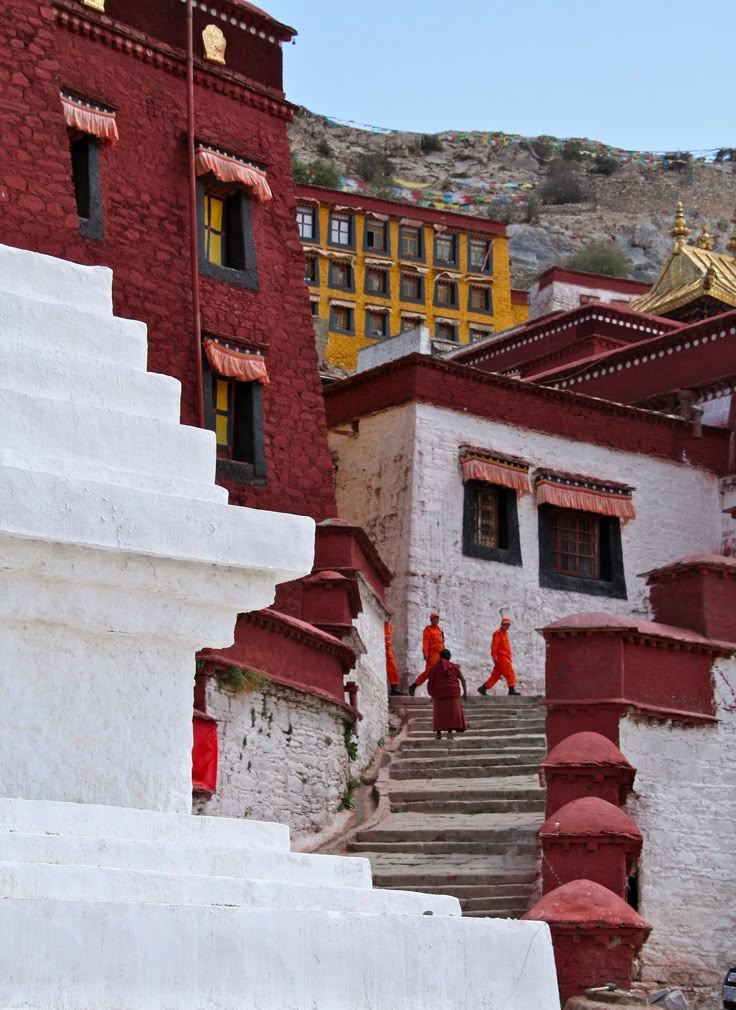
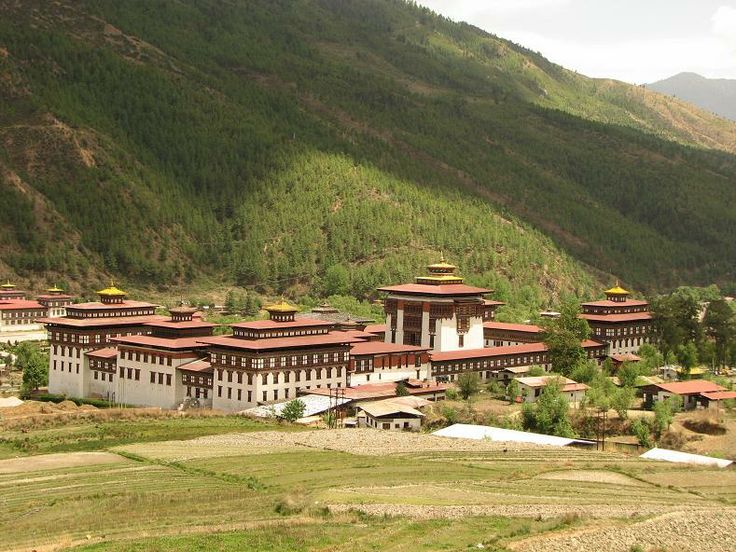
Thimphu is Bhutan’s gentle capital — a city where tradition and modern life blend beautifully. Nestled in a quiet valley, it feels calm and welcoming, with monasteries, markets and mountain views shaping its character. Prayer flags flutter in the breeze, monks walk peacefully through temple courtyards, and the streets move at an unhurried pace. Thimphu feels warm, cultural and deeply connected to Bhutanese heritage.
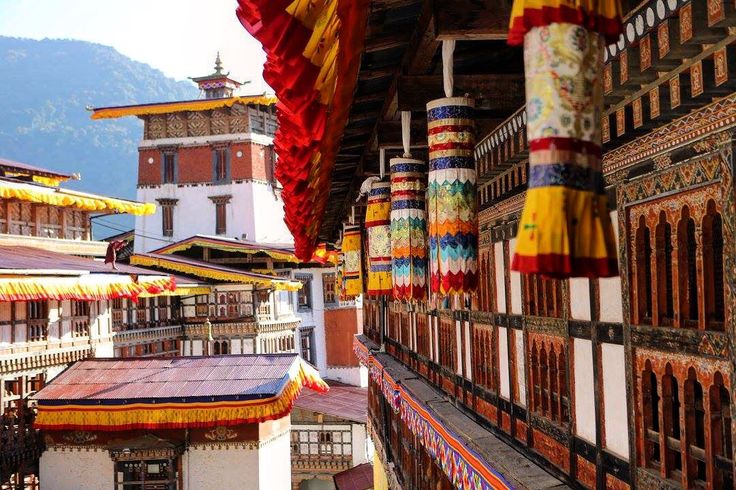
Trongsa is a dramatic mountain town known for its sweeping views and rich history. The Trongsa Dzong, perched high above the valley, is one of Bhutan’s most impressive fortresses — long, whitewashed walls stretching across the hillside. The town feels quiet and traditional, surrounded by deep forests and winding mountain roads. Trongsa carries a sense of depth and legacy, offering a glimpse into Bhutan’s royal past.
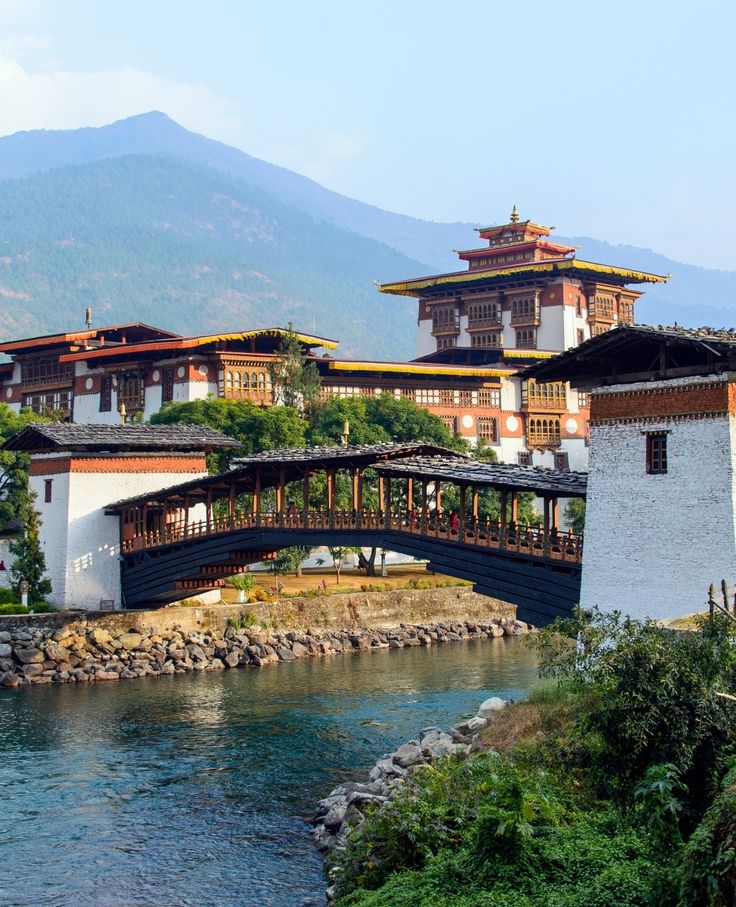
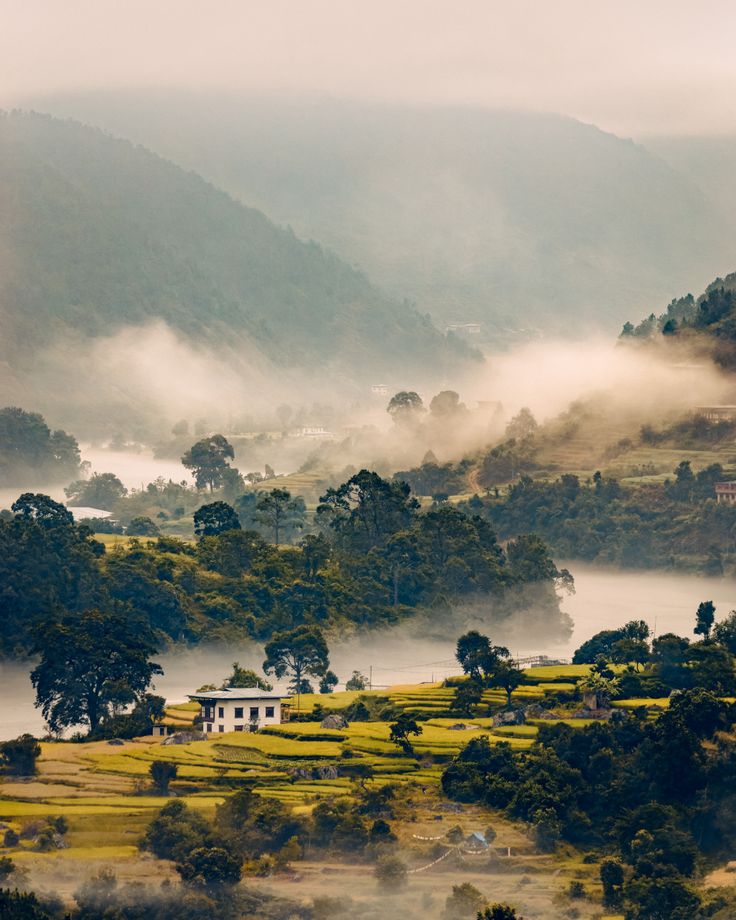
Punakha is serene, fertile and beautifully green. The valley is warm and lush, with rice fields, rivers and gentle hills creating a peaceful landscape. The Punakha Dzong — one of Bhutan’s most stunning landmarks — sits at the meeting of two rivers, glowing softly in the sunlight. The region feels calm and spiritual, with suspension bridges, quiet villages and blooming jacaranda trees adding to its charm.
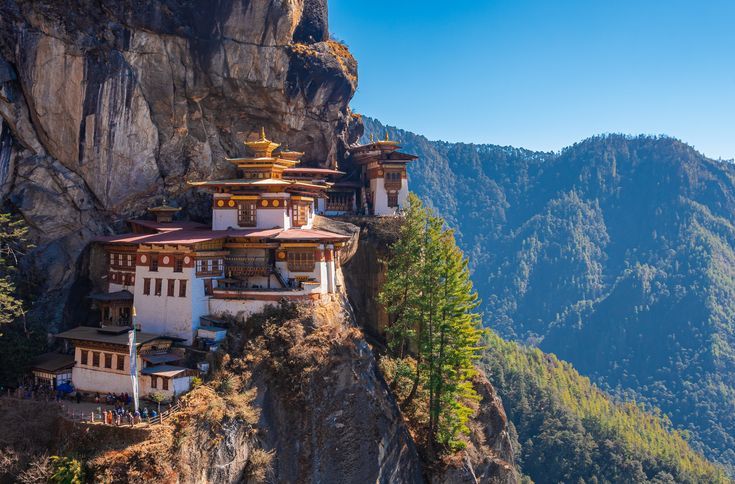
Taktsang Goemba is one of Bhutan’s most iconic and breathtaking places. Perched high on a cliffside, the monastery seems to float above the forested valley below. The hike up is peaceful and scenic, with prayer flags lining the path and mountain views unfolding at every turn. Reaching the monastery feels almost magical — a moment of stillness, beauty and deep spiritual presence. Tiger’s Nest is unforgettable, both for its setting and its serene atmosphere.
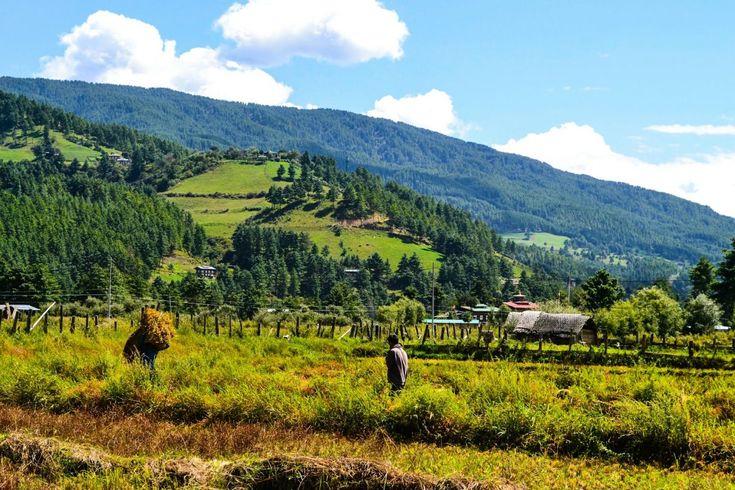
Bumthang Valley is the spiritual heart of Bhutan — a place of ancient temples, quiet villages and rolling green hills. The air feels fresh, the landscapes are open and gentle, and the pace of life is slow and soothing. Monasteries sit among fields and forests, and the valley carries a deep sense of history and peace. Bumthang feels warm, timeless and deeply rooted in Bhutanese culture.
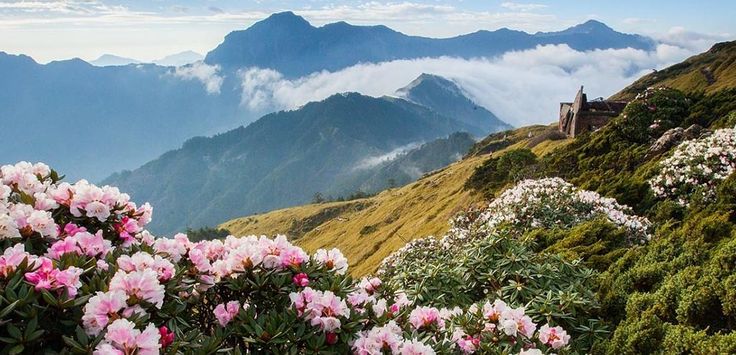
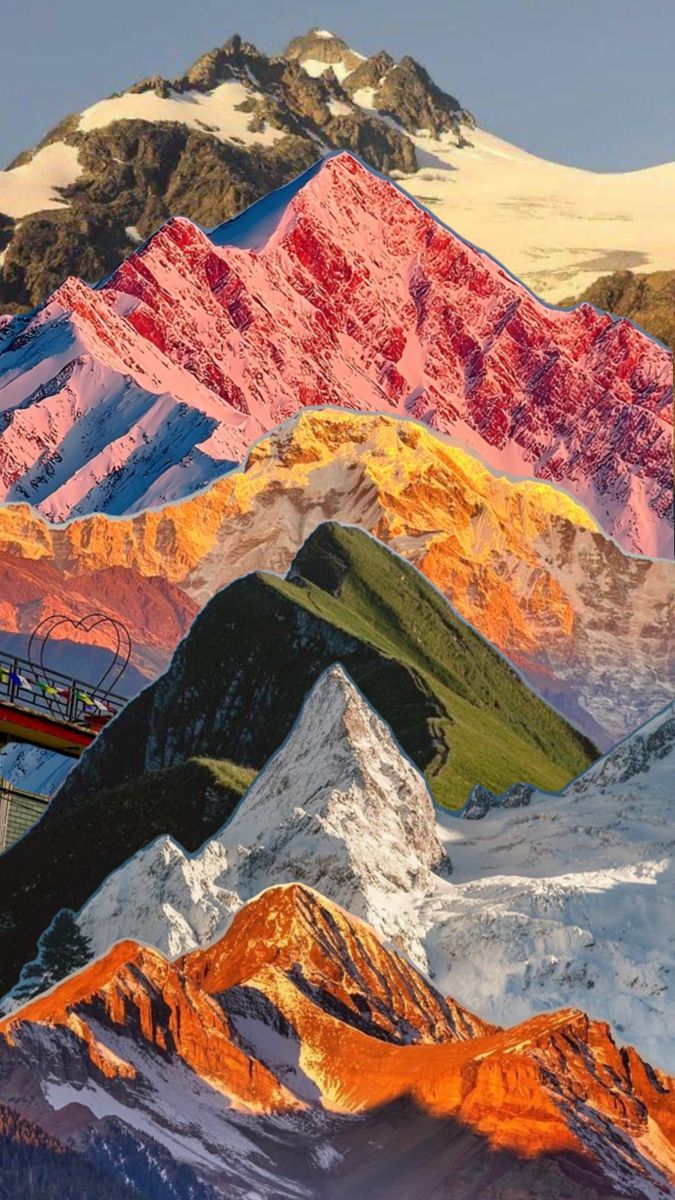
Jigme Dorji National Park is vast, wild and incredibly beautiful. Snow‑capped peaks, alpine meadows, dense forests and glacial rivers shape the landscape. Wildlife thrives here, from blue sheep to elusive snow leopards. The park feels untouched and powerful, offering a sense of pure nature and quiet isolation. It’s one of Bhutan’s most breathtaking natural treasures — remote, majestic and full of wonder.
The right time to go

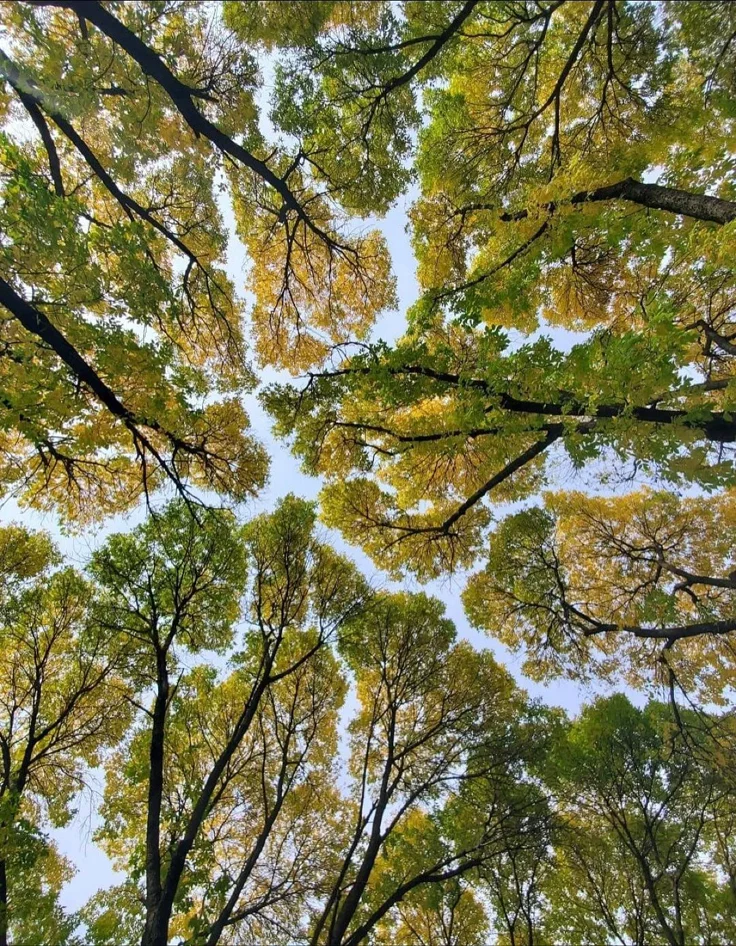
Autumn in Bhutan feels calm, golden and deeply peaceful — a season when the mountains sharpen, the skies turn clear and the valleys glow with warm light. From September to November, the air becomes crisp, the monsoon clouds drift away, and the country settles into one of its most beautiful moods.

In Thimphu, autumn arrives with quiet clarity. The days are bright, the evenings cool, and the surrounding hills turn shades of amber and soft green. Markets fill with fresh harvests, monks walk through sunlit courtyards, and the city feels both lively and serene. Prayer flags flutter against a deep blue sky, giving the capital a gentle, spiritual rhythm.

Further east, Punakha becomes warm and golden. The rice fields turn honey‑coloured as harvest season begins, and the rivers flow calmly through the valley. The Punakha Dzong glows beautifully in the afternoon light, its white walls reflecting the soft colours of autumn. The valley feels peaceful and fertile, wrapped in gentle warmth.

In Trongsa, the mountains open up under clear skies. The air is crisp, the views stretch endlessly across the central hills, and the Trongsa Dzong stands proudly above the valley. Autumn brings a sense of stillness to the region — quiet forests, long shadows and a calm that settles over the landscape.

The Bumthang Valley becomes especially enchanting. Fields turn golden, apple orchards ripen, and the ancient temples feel surrounded by soft, warm light. The valley carries a deep sense of history and spirituality, and in autumn it feels even more serene, with cool mornings and peaceful evenings.

The path to Taktsang Goemba (Tiger’s Nest) is clear and bright in autumn. The air is cool but comfortable, the forests glow with warm tones, and the monastery stands out sharply against the cliffs. The hike feels calm and steady, with sweeping views over the valley below.

In Jigme Dorji National Park, autumn brings crisp mountain air and clear visibility. Snow‑capped peaks shine against the sky, rivers run bright and cold, and wildlife becomes more active in the cooler weather. The landscapes feel vast, untouched and full of quiet power.

Everywhere you go, autumn in Bhutan feels golden, calm and deeply grounding. It’s a season of clear skies, warm light and peaceful valleys — a time when the country reveals its most balanced and harmonious beauty.

Travel tips

Dzongkha is the official language, though English is widely spoken in schools, hotels and by guides. In rural areas, you’ll hear many local dialects, each tied to Bhutan’s diverse valleys and traditions. A simple kuzuzangpo la (hello) is always appreciated.

Travel in Bhutan is mostly by road, with winding mountain routes connecting valleys and towns. Private drivers and guided tours are the most common way to explore, as distances can be long and roads narrow. Domestic flights operate between Paro and a few regional airports, offering stunning views of the Himalayas.

Respect for tradition is central to Bhutanese culture. Dress modestly when visiting temples and dzongs, remove hats inside sacred spaces, and walk clockwise around religious monuments. A calm tone, patience and gentle gestures reflect the country’s values of harmony and kindness.

Currency: Bhutanese Ngultrum (BTN), often used interchangeably with Indian Rupees in smaller denominations. Cash is useful in rural areas, though cards are accepted in hotels and larger shops. Bhutan is peaceful and welcoming, with a strong emphasis on community and environmental care. Altitude and mountain weather can vary, so take your time, stay hydrated and follow local guidance when hiking.