
Door: Ties en Fay
iceland
Places to be
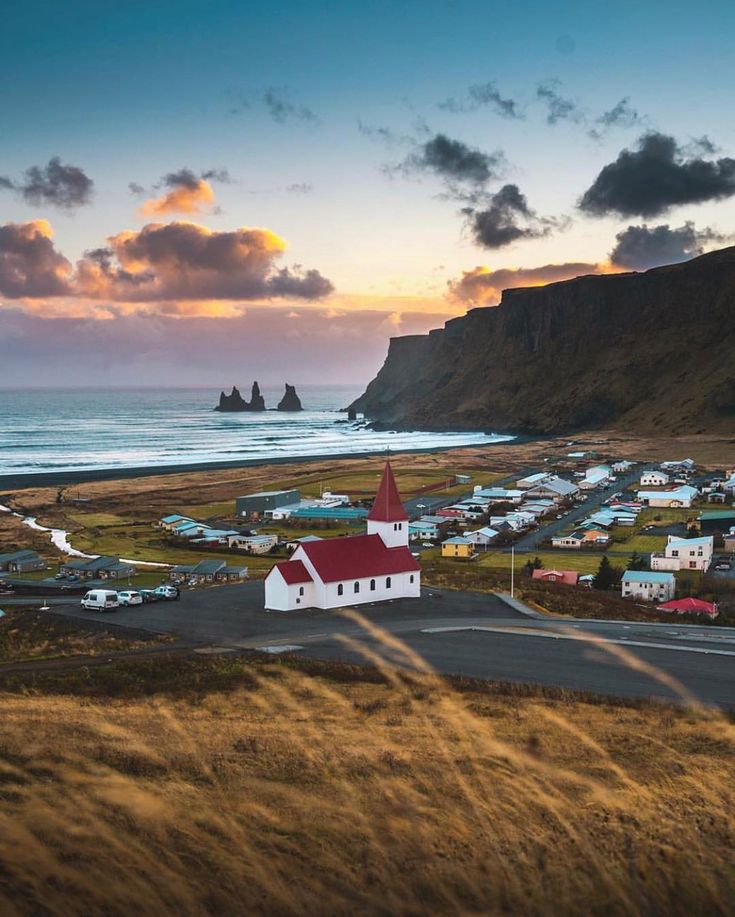
Vík is a small coastal village that feels like it sits at the edge of the world. Its black‑sand beaches stretch along the wild Atlantic, framed by towering basalt cliffs and dramatic rock formations rising from the sea. In summer, purple lupines blanket the hillsides, while in winter the landscape becomes quiet and otherworldly. The iconic white church overlooks the village, offering sweeping views of the coastline. With its raw beauty and peaceful atmosphere, Vík is a place where Iceland’s rugged nature feels close and powerful.
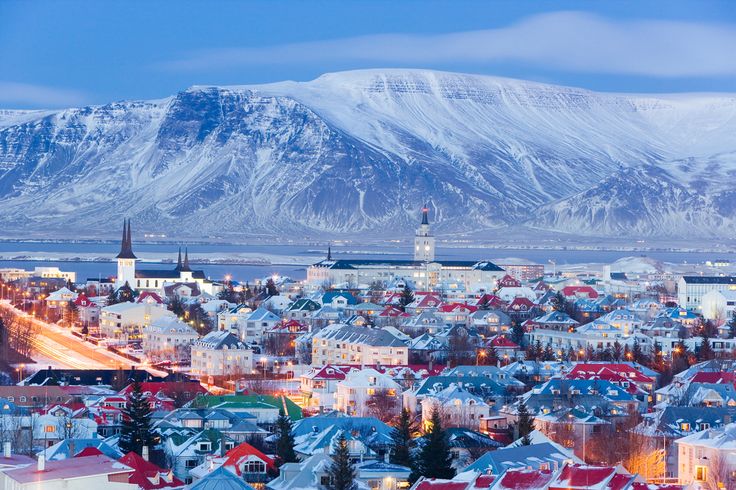
Reykjavík is a colourful, creative capital where modern culture meets the calm of Nordic nature. The city feels friendly and compact, with cosy cafés, art galleries, and bright wooden houses lining its streets. The harbour glimmers in the light, and the striking Hallgrímskirkja church stands tall above it all, offering views of mountains and sea. In summer, the city buzzes with festivals and long evenings, while winter brings a warm, cosy charm with geothermal pools, candlelit restaurants, and the chance to see the northern lights above the rooftops. Reykjavík is small in size but full of character.
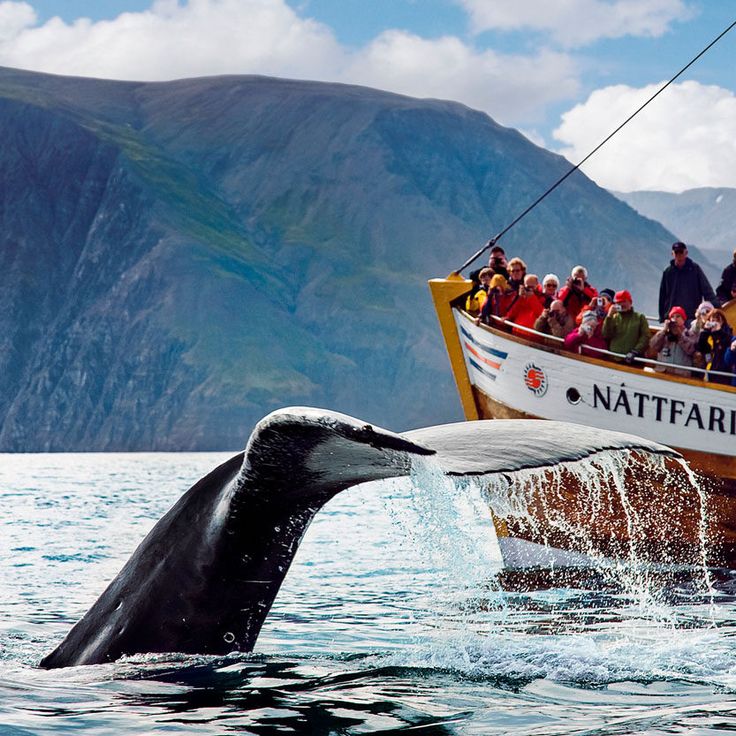
Húsavík is Iceland’s whale‑watching capital — a charming seaside town where colourful houses sit along a quiet bay. Boats head out daily to spot humpbacks, dolphins, and sometimes even blue whales. The surrounding mountains and fjords give the town a peaceful, scenic backdrop. In summer, the harbour is full of life, and the wooden church and local museums add a touch of history. Húsavík feels like a place where the ocean is part of everyday life, and where nature’s beauty is always close.
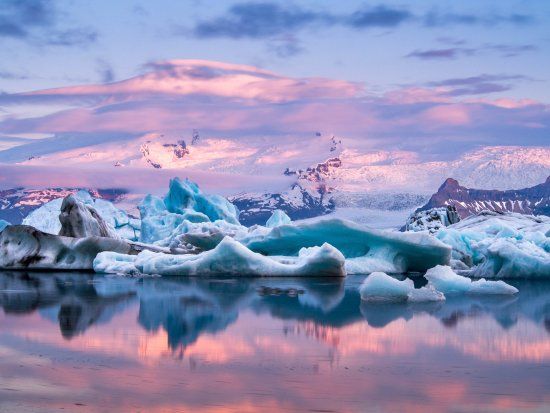
Jökulsárlón is one of Iceland’s most magical places — a glacier lagoon filled with floating icebergs that drift slowly toward the sea. The water glows deep blue, and the ice sparkles in shades of white and turquoise. Seals often swim between the ice, and the nearby Diamond Beach is scattered with crystal‑like pieces of ice on black sand. The silence, the colours, and the movement of the ice create a landscape that feels almost unreal. Jökulsárlón is a place you never forget.
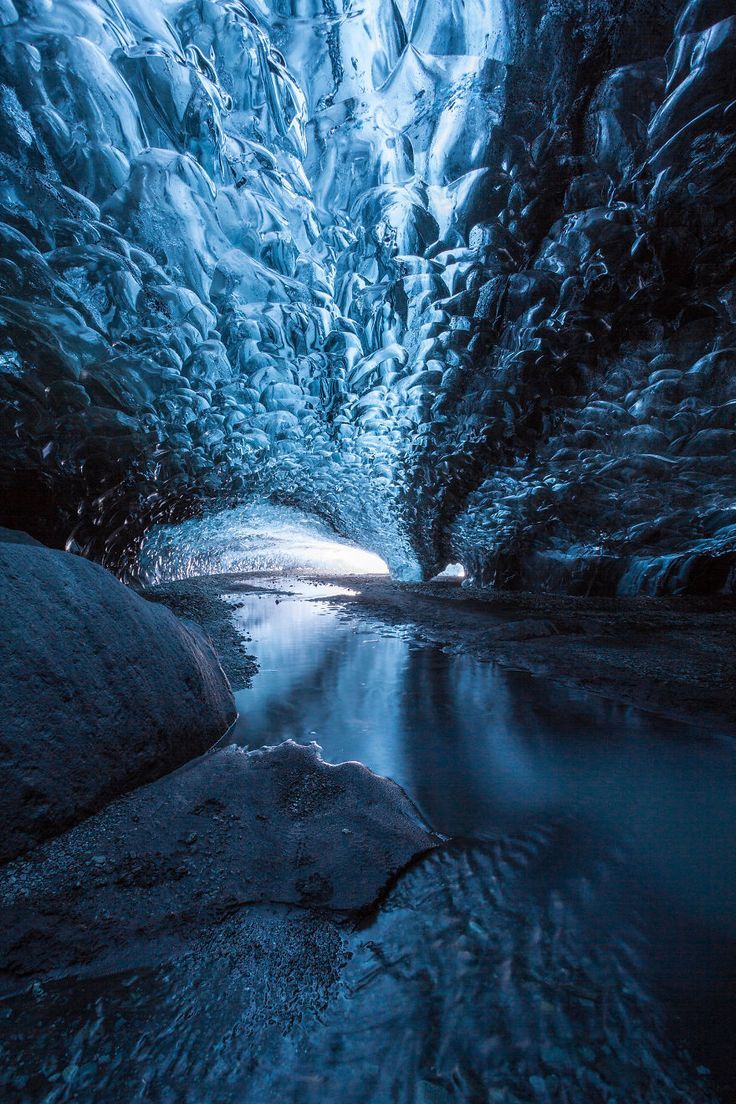
Skaftafell is a nature reserve where glaciers, mountains, and green valleys come together in a breathtaking landscape. It’s a paradise for hikers, with trails leading to waterfalls, viewpoints, and vast stretches of ice. In summer, the area is fresh and green, while the glaciers shine bright blue against the dark volcanic rock. The famous Svartifoss waterfall, surrounded by basalt columns, is one of the highlights. Skaftafell feels wild and untouched — perfect for anyone who loves nature and wide‑open spaces.
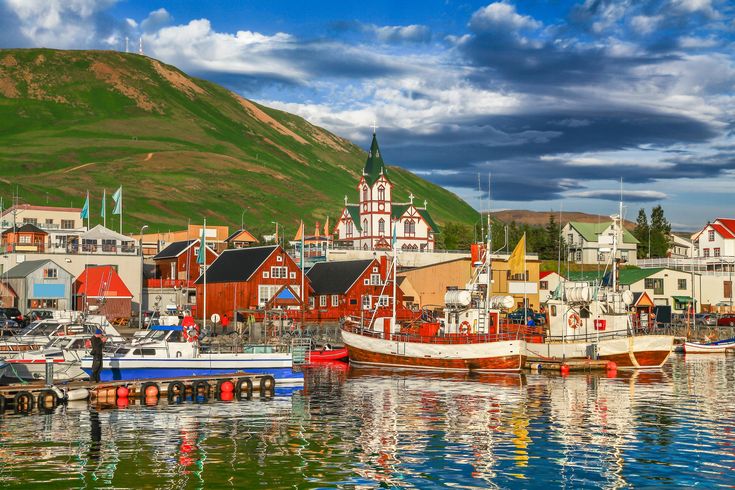
Akureyri is the charming capital of northern Iceland, surrounded by mountains and a deep blue fjord. In summer, the town blooms with colourful gardens and lively cafés, while in winter it becomes a cosy snow‑covered retreat. The harbour, the striking church overlooking the town, and the vibrant cultural scene give Akureyri a warm, welcoming feel. It’s the perfect base for exploring the north — from waterfalls and volcanic landscapes to whale‑watching and quiet countryside villages.
The right time to go
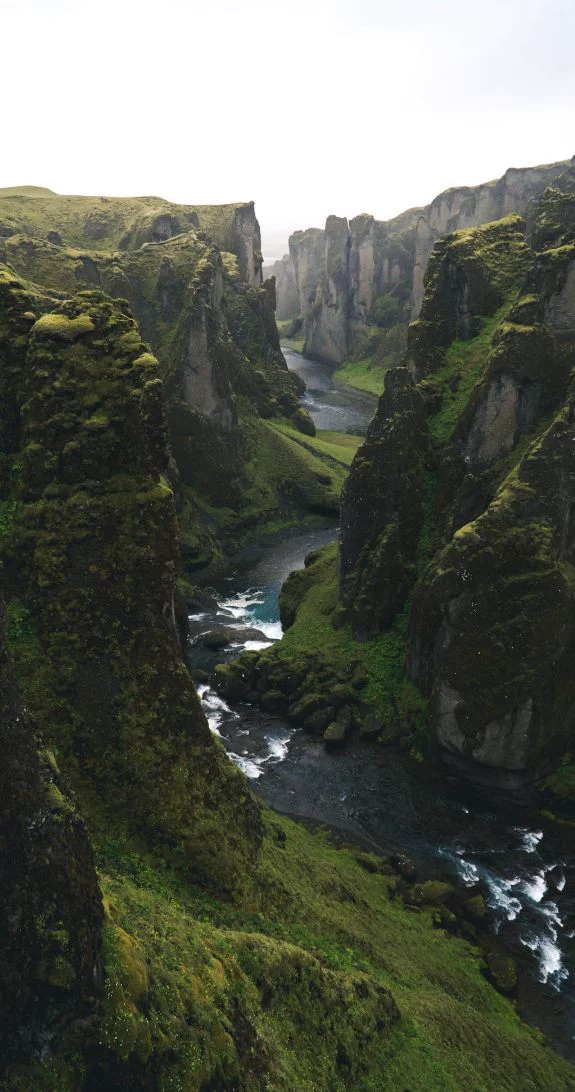
Iceland is a country shaped by contrasts — a place where two seasons create two completely different worlds, each with its own kind of magic. In summer, the island glows under endless daylight, its landscapes turning green and alive. In winter, the same landscapes fall silent beneath snow and northern light, becoming calm, powerful and otherworldly. Together, these seasons reveal the full soul of Iceland — bright, wild, peaceful and unforgettable.
Summer arrives with long, golden days that seem to stretch without end. In the north, the Midnight Sun keeps the sky glowing even at night, casting a soft light over mountains, waterfalls and open plains. The countryside becomes vibrant and full of life: puffins nest on sea cliffs, wildflowers bloom across the fields, and waterfalls roar with melted snow. The south coast glimmers with black‑sand beaches and bright blue skies, while the highlands open up to reveal colourful mountains, steaming valleys and vast lava fields that feel untouched by time. Reykjavík buzzes with outdoor cafés, music and long evenings by the harbour, while small towns like Vík and Húsavík feel warm and welcoming under the endless light.
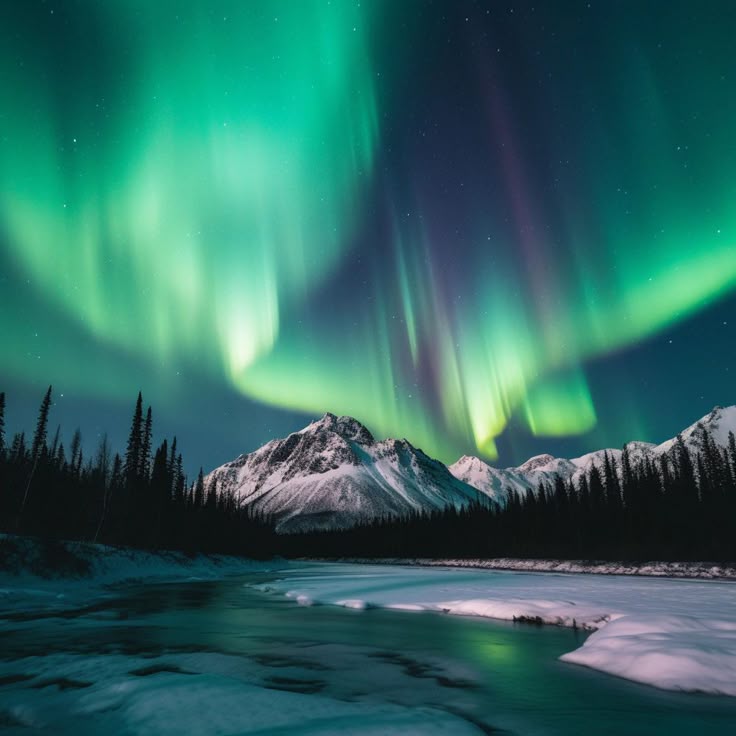
Then winter arrives, and Iceland transforms into a world of snow, silence and shimmering skies. The days grow short, the nights grow long, and the landscapes take on a calm, dreamlike beauty. Glaciers glow pale blue beneath the low sun, frozen lakes stretch out like mirrors, and steam rises from hot springs in the cold air. On clear nights, the northern lights dance across the sky in shades of green and violet, shifting silently above mountains and fjords. Reykjavík becomes cosy and bright with lights and geothermal pools, while towns like Akureyri and Vík turn into peaceful winter retreats surrounded by snowy peaks and icy shores.
Winter brings adventure too — exploring ice caves deep inside glaciers, walking through snow‑covered valleys, soaking in hot springs while snow falls around you. Even simple moments feel special: a warm drink by the fire, a quiet walk through fresh snow, watching the sky for auroras.
Summer and winter in Iceland could not be more different, yet both reveal the country’s true character — wild, beautiful and full of wonder. Whether you’re standing under the Midnight Sun or watching the northern lights dance across a winter sky, Iceland feels like a place where nature tells its own story, one season at a time.
Travel tips
Icelandic is the official language, but almost everyone speaks excellent English.
Renting a car is the best way to explore Iceland’s nature, especially the south coast and remote areas. Buses connect major towns, and domestic flights are common for long distances like Reykjavík to Akureyri. Roads can be challenging in winter — always check conditions.
Locals appreciate friendliness and simple greetings like “Hæ” or “Takk” (thank you). Icelanders value politeness, personal space, and a calm, respectful tone. Shoes are often removed when entering homes. Tipping is not expected, as service is usually included, but rounding up is appreciated.
Currency: Icelandic króna (ISK). Cards are accepted everywhere, even in small villages. Iceland is very safe, but nature can be unpredictable — stay on marked paths, follow weather alerts, and be cautious near cliffs, glaciers and strong waves.