
Door: Ties en Fay
Indonesia
Places to be
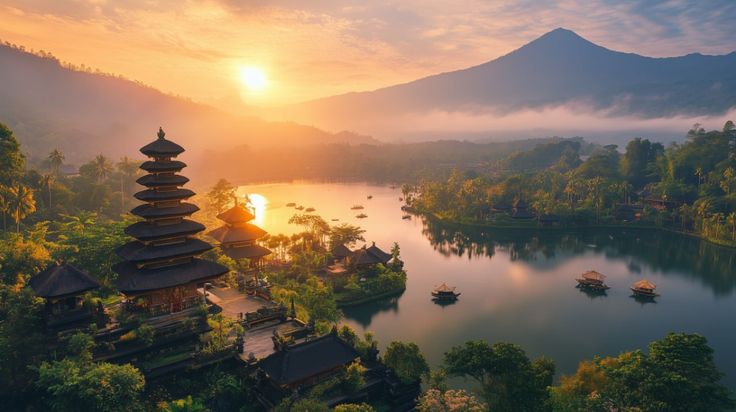
Bali is serene, spiritual and full of natural beauty. Rice terraces glow in soft green, temples sit peacefully among forests, and the coastline shifts from calm beaches to dramatic cliffs. Ubud feels creative and tranquil, surrounded by jungle and traditional crafts, while Seminyak and Canggu offer a stylish, relaxed beach atmosphere. The island carries a gentle, warm energy — a place where culture, nature and wellness come together effortlessly.
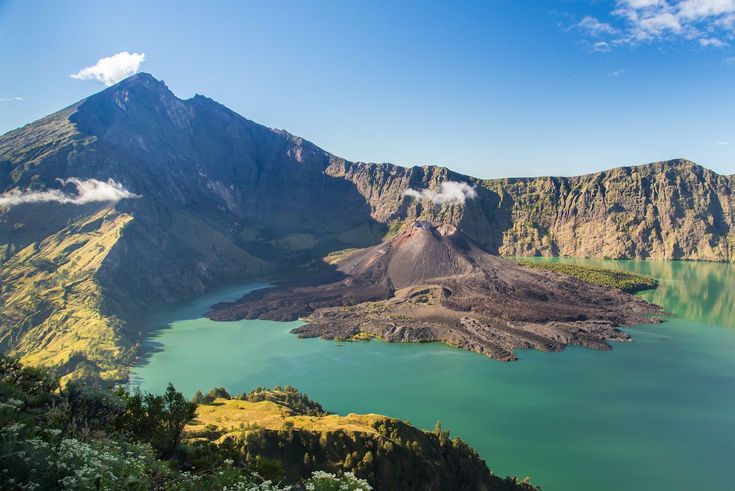
Lombok is Bali’s quieter neighbour — calm, scenic and beautifully unspoiled. Soft beaches, turquoise bays and traditional villages create a peaceful island atmosphere. Mount Rinjani rises dramatically above the landscape, offering breathtaking views for those who hike its slopes. The Gili Islands nearby add a touch of tropical charm with clear water, coral reefs and slow island living. Lombok feels gentle, warm and refreshingly simple.
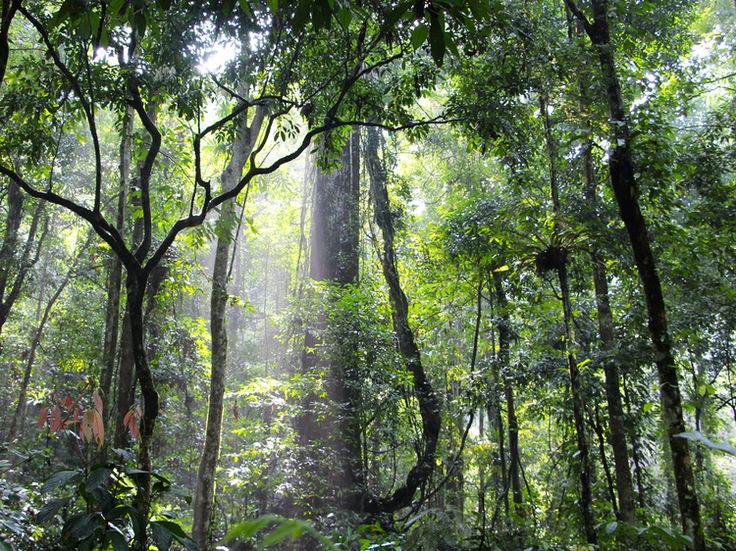
Sumatra is wild, lush and wonderfully untamed. Dense rainforests, towering volcanoes and deep lakes shape the island’s dramatic landscapes. Bukit Lawang is known for its orangutans and jungle treks, while Lake Toba offers calm water, cool breezes and peaceful villages. Sumatra feels raw and natural, a place where adventure and quiet beauty exist side by side.
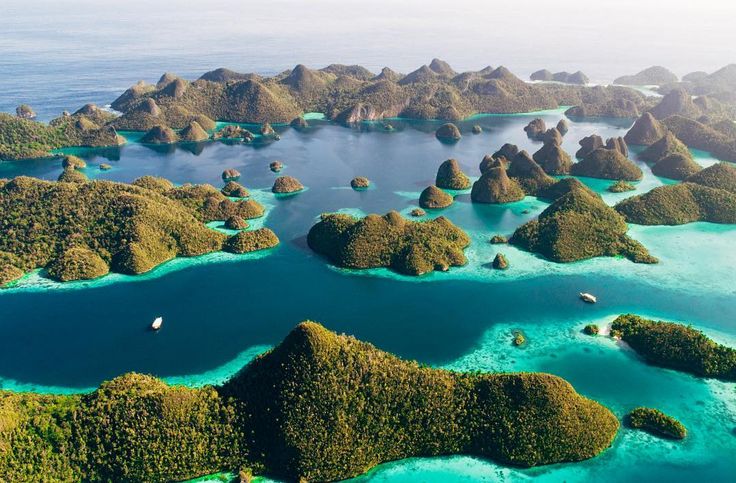
Papua is remote, vast and deeply connected to nature. Towering mountains, dense forests and untouched coastlines create some of Indonesia’s most striking landscapes. The Baliem Valley is rich in culture and tradition, while the surrounding highlands feel peaceful and timeless. Papua’s beauty is raw and powerful — a place where nature remains wild and communities live closely with the land.
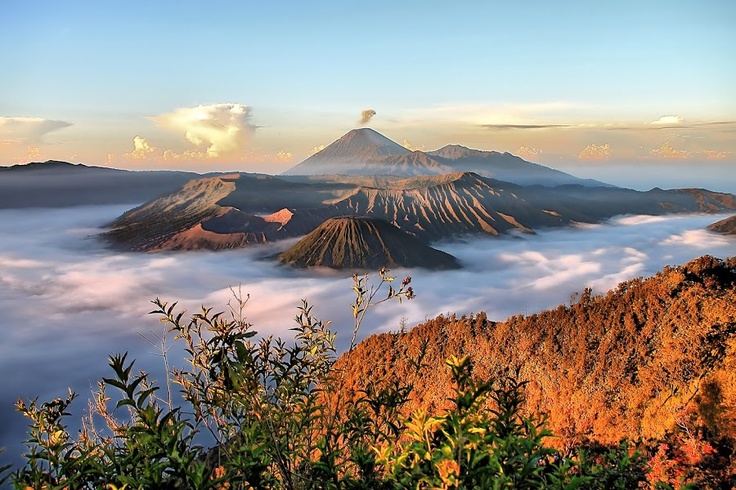
Java is Indonesia’s cultural and historical heart — a vibrant island where ancient temples, volcanic landscapes and lively cities blend beautifully. Yogyakarta feels artistic and soulful, home to batik workshops and the majestic Borobudur and Prambanan temples. In contrast, Jakarta buzzes with modern energy, colourful markets and a fast‑moving rhythm. Misty mountains, tea plantations and quiet villages fill the countryside, giving Java a rich, layered character that feels both dynamic and deeply traditional.
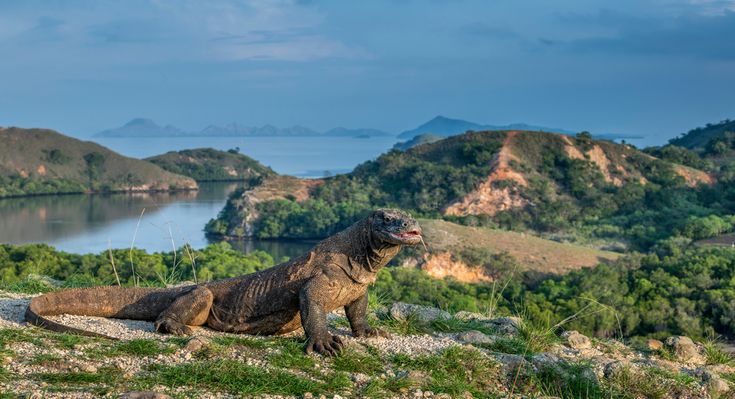
Komodo is rugged, dramatic and unforgettable. Rolling hills, pink‑sand beaches and crystal‑clear water surround the islands, creating a landscape that feels almost otherworldly. The famous Komodo dragons roam freely in their natural habitat, adding a sense of ancient mystery. Snorkelling and diving reveal vibrant coral reefs and colourful marine life. Komodo feels adventurous, pristine and full of natural wonder.
The right time to go
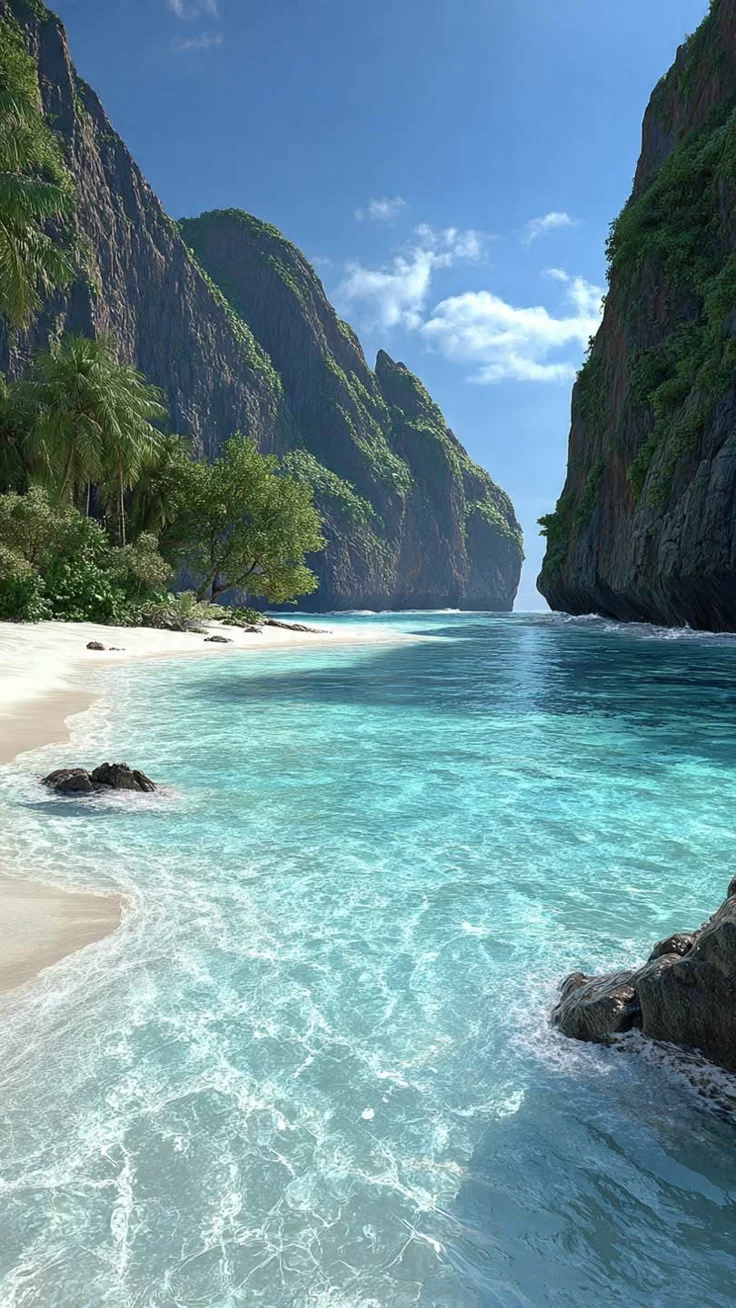
Summer in Indonesia feels bright, warm and full of tropical energy. From June to August, the islands settle into their dry season — clear skies, calm seas and long days filled with sunlight. It’s a time when the country feels open, vibrant and beautifully alive.
On Bali, summer brings a golden glow. Rice terraces shimmer in the sun, temples stand quietly among lush forests, and the coastline feels warm and inviting. Mornings are perfect for exploring waterfalls or wandering through Ubud’s green valleys, while afternoons drift into soft, colourful sunsets along the beaches of Seminyak, Canggu and Uluwatu. The island feels relaxed and spiritual, wrapped in gentle summer warmth.
Across the water, Lombok feels peaceful and unspoiled. The beaches are calm, the sea turns crystal clear, and the Gili Islands glow with turquoise water and slow island rhythms. Mount Rinjani rises sharply against the sky, its slopes bright under the summer sun. Lombok carries a quiet, natural beauty that feels refreshing and serene.
On Java, summer highlights the island’s contrasts. Yogyakarta’s temples glow in soft morning light, while volcanic landscapes like Mount Bromo and Ijen reveal dramatic views under clear blue skies. The cities feel lively and colourful, but the countryside — with its tea plantations and misty hills — offers a cooler, gentler escape.
Further west, Sumatra feels wild and vibrant. Rainforests are lush, rivers run clear, and wildlife thrives in the warm season. Orangutans move through the treetops in Bukit Lawang, while Lake Toba reflects the bright summer sky in calm, glassy water. The island feels raw, adventurous and deeply connected to nature.
In the far east, Papua remains remote and majestic. Mountains rise sharply above deep valleys, and traditional villages sit quietly among untouched landscapes. The air feels pure, the forests dense, and the scenery powerful in its natural beauty.
Out on the water, Komodo is at its most stunning in summer. The hills turn golden, the sea becomes brilliantly clear, and the coral reefs glow with colour. Komodo dragons roam the islands, while pink‑sand beaches and quiet bays create a sense of untouched wonder. It’s a season of bright light, calm waves and breathtaking views.
Everywhere you go, summer in Indonesia feels warm, colourful and full of life. It’s a season of clear skies, gentle breezes and endless natural beauty — a time when the islands reveal their most vibrant and welcoming side.
Travel tips
Bahasa Indonesia is the official language. English is widely understood in Bali and major tourist areas, but less common in rural regions and remote islands. Simple greetings like terima kasih (thank you) and selamat pagi (good morning) are appreciated.

Domestic flights connect the main islands such as Java, Bali, Sumatra and Papua. Ferries link many smaller islands, while private drivers and taxis are common for local travel. Roads can vary in quality, especially in remote areas, so travel times may be longer than expected.
Indonesian culture values politeness, modesty and respect. Dress appropriately when visiting temples, remove shoes when entering certain homes or sacred spaces, and avoid pointing with your finger. A warm smile and gentle tone are appreciated everywhere.

Currency: Indonesian Rupiah (IDR).
Cash is widely used, though cards are accepted in hotels, restaurants and shops in larger cities and tourist destinations.
Indonesia is generally welcoming, but conditions vary by region. Be mindful of ocean currents, respect local customs, and stay informed when exploring remote or volcanic areas.