
Door: Ties en Fay
myanmar
Places to be
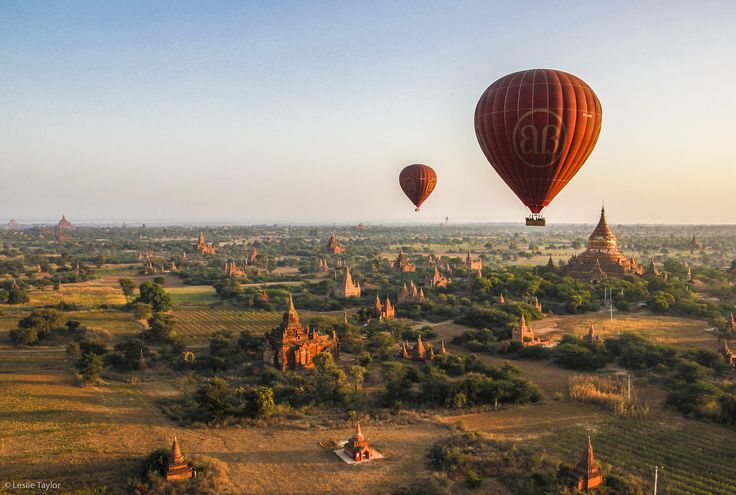
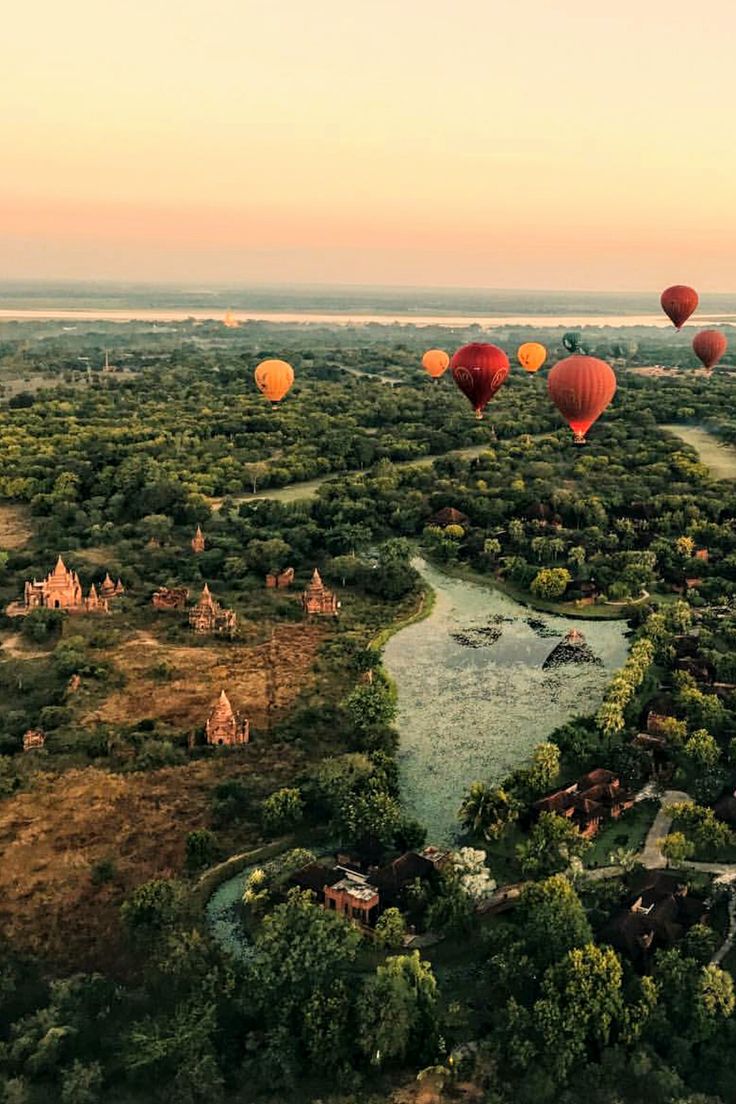
Bagan feels like stepping into an ancient dream. Thousands of temples and pagodas rise from the plains, glowing gold and terracotta under the soft morning light. Hot‑air balloons drift silently above the landscape at sunrise, revealing endless views of spires, palm trees and winding rivers. The air feels calm and timeless, and every temple — from grand structures to hidden ruins — carries its own story. Bagan is peaceful, spiritual and unforgettable, a place where history and beauty blend seamlessly.
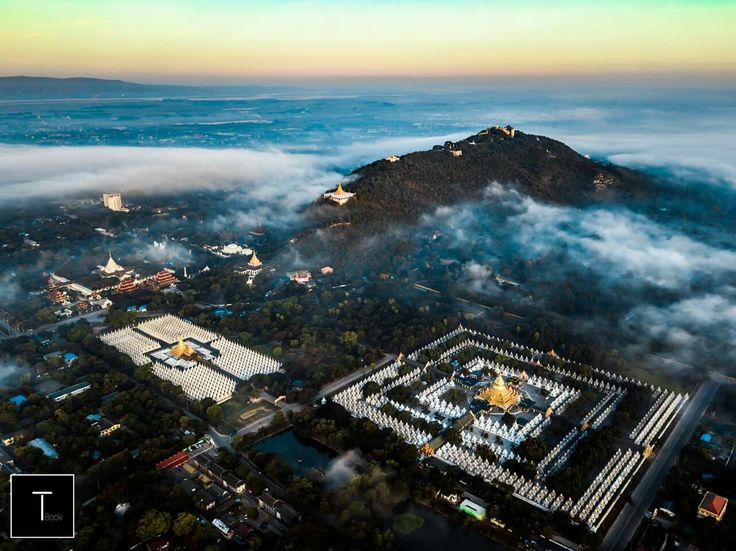
Mandalay is a city shaped by tradition, craftsmanship and gentle energy. Monasteries, pagodas and wooden bridges give the city a warm, cultural charm. The famous U Bein Bridge stretches across the lake in long, graceful lines, especially beautiful at sunset. Mandalay Hill offers sweeping views over the city, while local workshops keep ancient arts alive — from gold‑leaf making to intricate wood carving. Mandalay feels authentic, serene and deeply connected to Myanmar’s heritage.
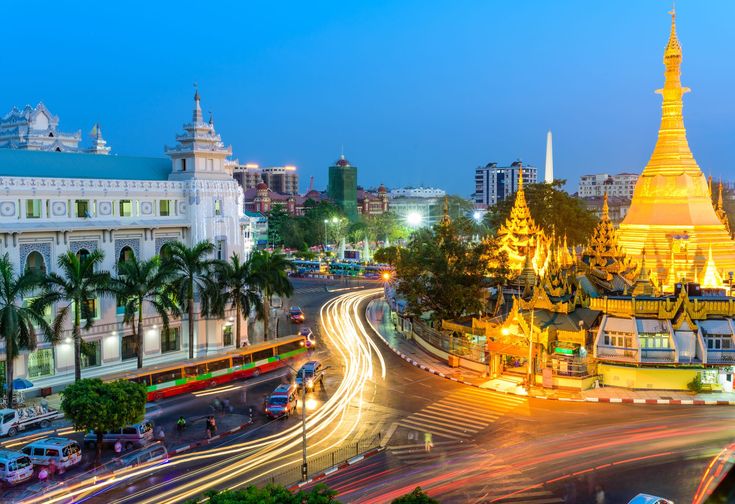
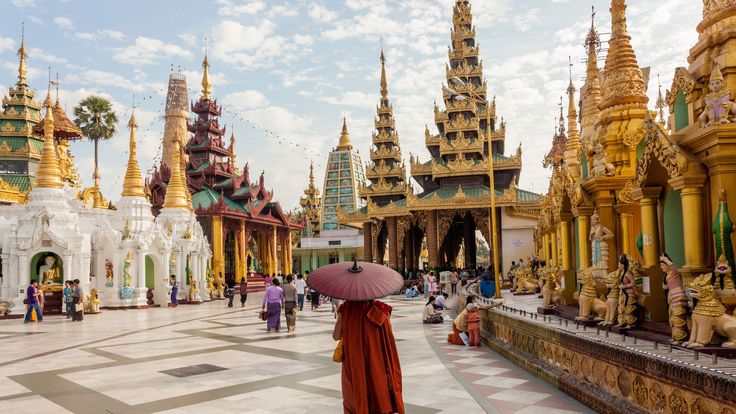
Yangon is vibrant, colourful and full of life. Colonial buildings, lively markets and leafy streets give the city a unique character. At its heart stands the Shwedagon Pagoda — a golden stupa that glows at sunrise and sparkles at night, creating a peaceful atmosphere despite the city’s energy. Yangon blends old and new, with street food stalls, tea shops and quiet temples hidden between busy streets. It’s a city that feels warm, welcoming and rich in culture.
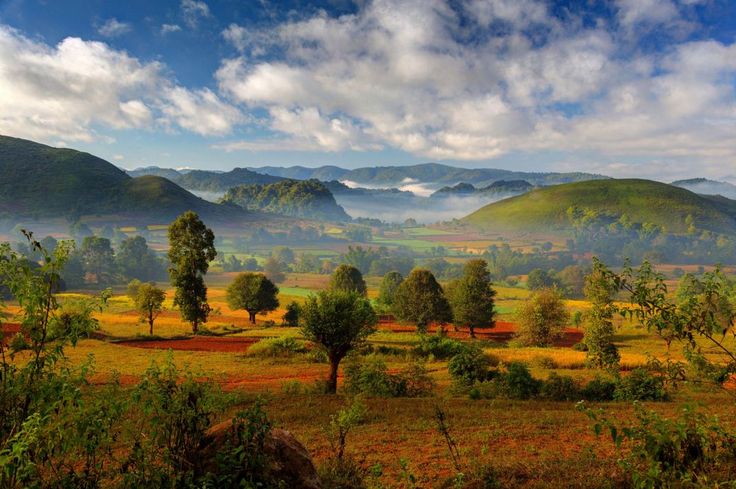
Kalaw is a cool, peaceful mountain town surrounded by rolling hills, pine forests and quiet villages. The air feels fresh, the landscapes are green, and the pace of life is slow and gentle. It’s a popular starting point for treks to Inle Lake, with paths that lead through farmland, small communities and scenic viewpoints. Kalaw feels calm, refreshing and close to nature — a perfect escape from the heat of the lowlands.
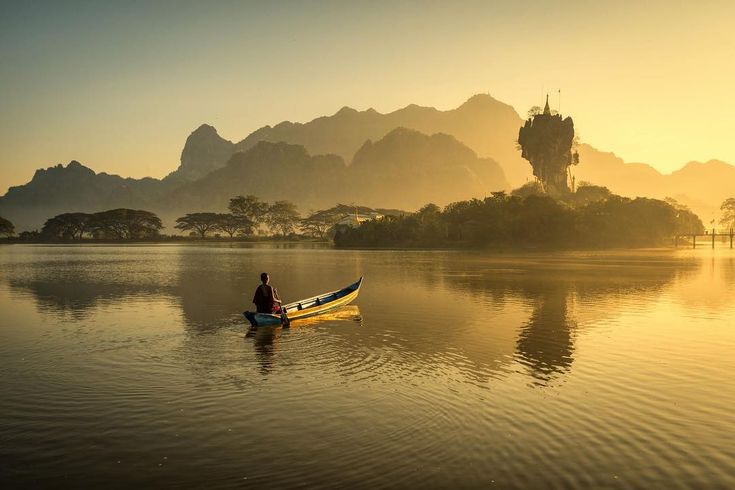
Hpa‑An is a beautiful region of limestone mountains, caves and green rice fields. The landscape feels dramatic yet peaceful, with towering karst peaks rising above the countryside. Caves filled with Buddha statues, quiet lakes and small villages create a sense of discovery. Mount Zwegabin offers breathtaking views at sunrise, while the surrounding countryside feels untouched and serene. Hpa‑An is a place where nature and spirituality blend in a gentle, captivating way.
Naypyidaw is Myanmar’s modern capital — spacious, quiet and surprisingly calm. Wide roads, large parks and grand buildings give the city a unique, open atmosphere. The Uppatasanti Pagoda, a golden landmark, stands tall above the city, while the surrounding landscapes are green and peaceful. Naypyidaw feels organised, quiet and very different from Myanmar’s older cities — a place where modern design meets wide, open space.
The right time to go
Winter in Myanmar feels gentle and welcoming — a season of soft sunlight, cool breezes and peaceful landscapes. From November to February, the heat of the monsoon fades, the skies turn clear and blue, and the country opens itself in a calm, comfortable way. It’s the season when Myanmar feels its most inviting, with warm days, crisp mornings and evenings filled with golden light.
Across the plains of Bagan, winter brings a soft, dreamy atmosphere. Mist rises slowly over thousands of temples at sunrise, and hot‑air balloons drift quietly above the landscape. The air feels cool and still, making it the perfect time to wander among ancient pagodas glowing in shades of gold and terracotta. As the sun sets, the sky turns warm and hazy, casting long shadows across the fields.
In Mandalay, winter adds a gentle freshness to the city. The famous U Bein Bridge stretches across calm waters, especially beautiful in the early morning light. Monasteries feel peaceful, with monks moving quietly through courtyards scented with incense. The cooler weather makes exploring the hills, temples and craft workshops feel relaxed and unhurried.
Yangon becomes vibrant yet comfortable in winter. The Shwedagon Pagoda glows softly under clear skies, and the city’s leafy streets feel lively without the heavy heat of other seasons. Markets, tea shops and colonial buildings come alive with colour, while the evenings feel cool and pleasant for wandering.
In the highlands of Kalaw, winter brings crisp mountain air and bright, sunny days. Pine forests, rolling hills and small villages feel fresh and quiet, perfect for trekking. The landscapes are green and open, and the cooler temperatures make long walks feel effortless.
Hpa‑An’s dramatic limestone mountains look especially beautiful in winter light. Rice fields turn green, caves stay cool and peaceful, and the views from Mount Zwegabin stretch endlessly under clear skies. The whole region feels calm, natural and deeply serene.
Even Naypyidaw, with its wide roads and open spaces, feels gentle in winter. The air is cooler, the parks are bright and green, and the golden Uppatasanti Pagoda shines under the soft seasonal sun.
Everywhere you go, winter in Myanmar feels calm, bright and full of quiet beauty. It’s a season of clear skies, gentle temperatures and peaceful landscapes — a time when the country reveals its warmest, most welcoming side.
Travel tips
Burmese is the official language, and while English is spoken in major cities and tourist areas, it becomes less common in rural regions. Simple greetings and polite gestures are always appreciated.
Domestic flights are the easiest way to travel long distances between cities like Yangon, Mandalay and Bagan. Buses and private drivers are common for regional travel, while trains offer scenic but slow journeys. Roads in rural areas can be uneven, so travel times may vary.
Respect for culture and religion is very important. Shoes and socks are removed before entering temples, and modest clothing is expected. A gentle tone, patience and politeness go a long way. Avoid touching someone’s head, and use both hands when giving or receiving items.
Currency: Myanmar Kyat (MMK).
Cash is essential, especially outside major cities, though some hotels accept cards.
Myanmar is generally welcoming, but conditions can vary by region. Stay aware of local guidance, respect cultural norms, and check travel updates before exploring remote areas.