
Spring in Japan feels like a quiet breath of beauty spreading across the country. From March to May, the landscapes soften, the air warms, and the world turns delicate shades of pink and white. It’s a season defined by renewal — gentle, graceful and deeply connected to nature.
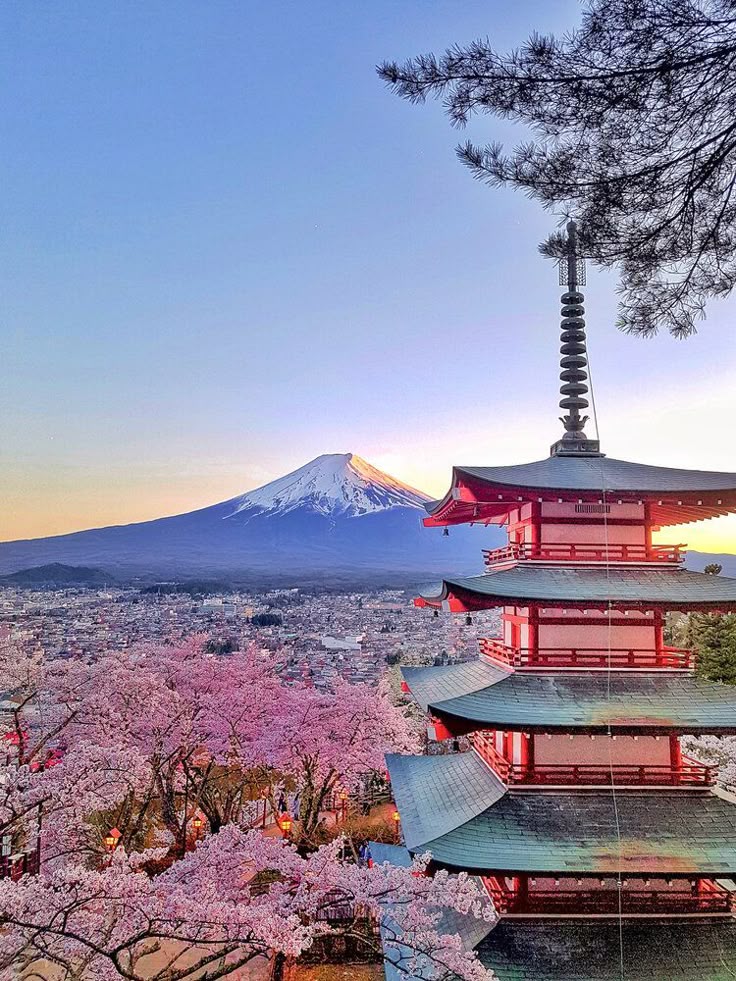
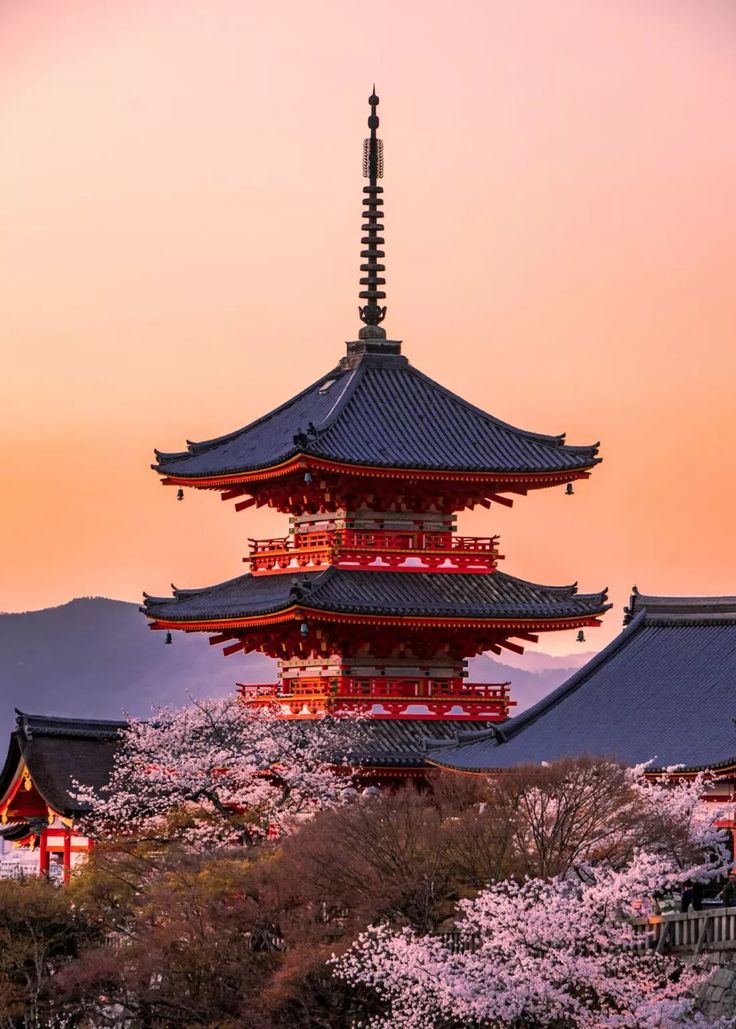
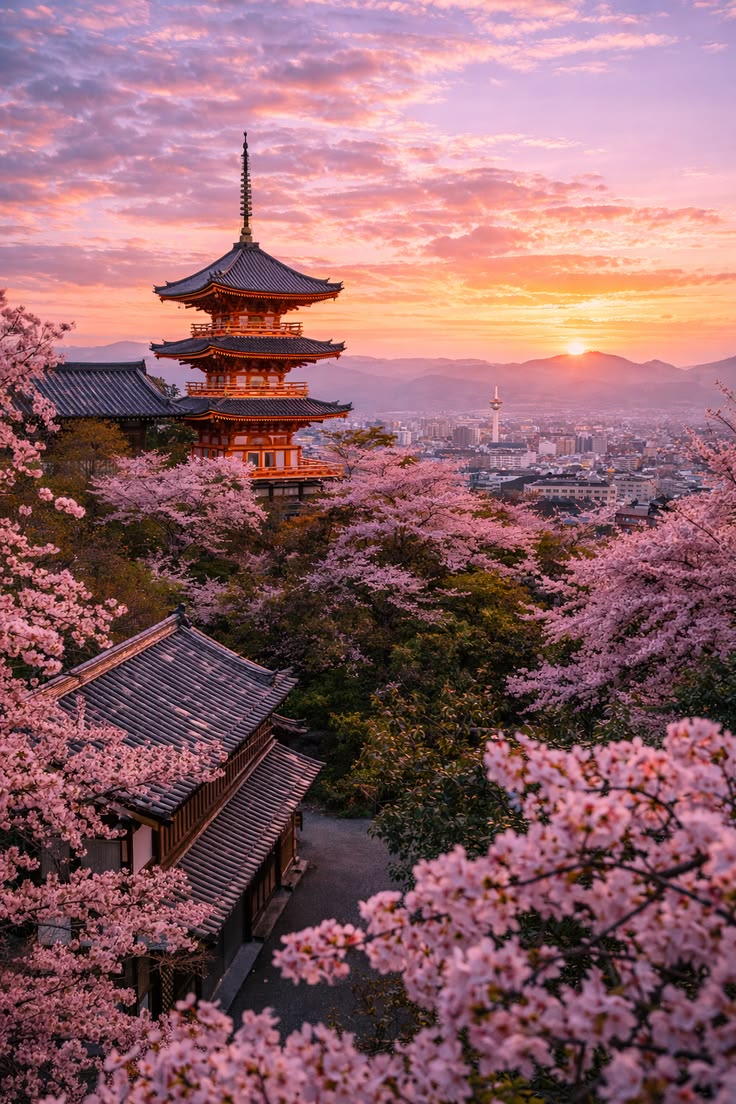
Cherry blossoms are the heart of spring in Japan. They bloom slowly at first, beginning in the south and moving northward like a soft wave of colour. Parks, riversides and temple grounds fill with pale petals that drift through the air like snow. People gather beneath the trees for hanami — picnics that celebrate the fleeting beauty of the blossoms. The atmosphere is calm and joyful, with families, friends and travellers sharing food, laughter and quiet moments under the pink canopy.
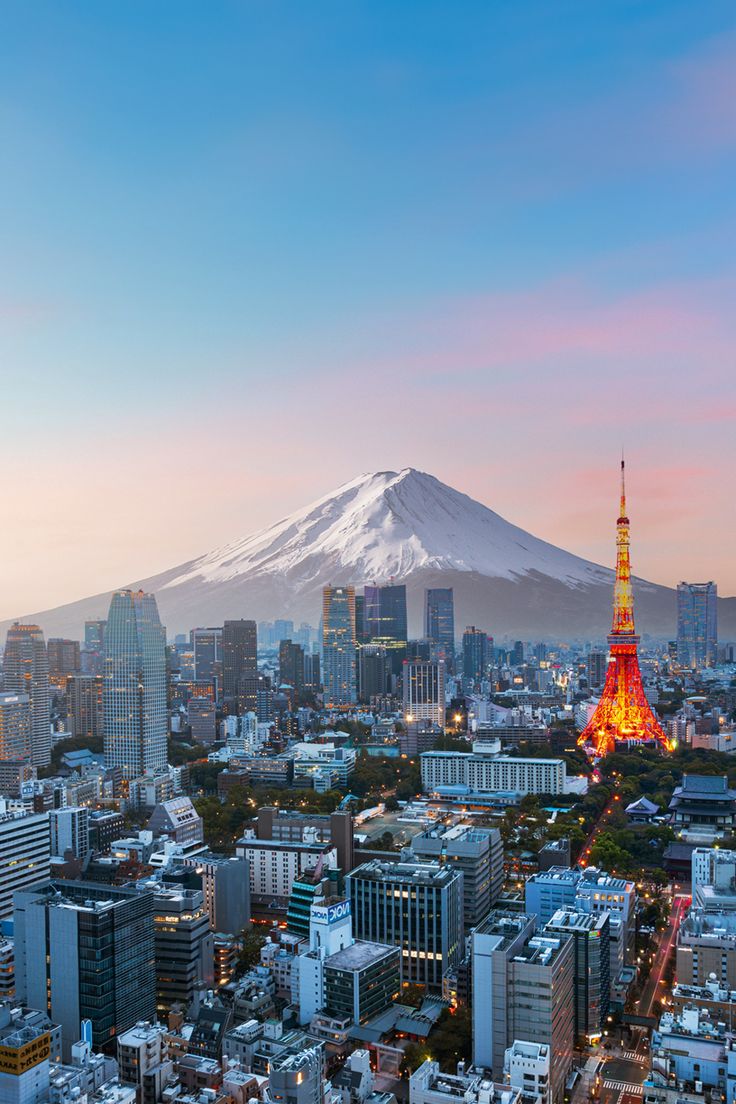
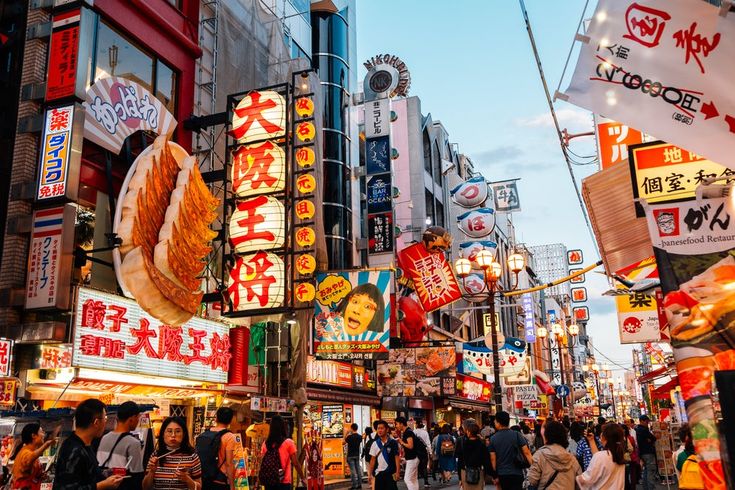
In the cities, spring brings a fresh, lively energy. Tokyo’s gardens glow with blossoms, and neighbourhoods like Ueno and Meguro transform into soft tunnels of colour. Kyoto becomes especially magical, with temples framed by cherry trees and narrow streets lit by lanterns in the evening. Osaka feels vibrant and warm, its parks full of flowers and its markets buzzing with seasonal flavours. Even the modern skyline feels gentler in spring light.
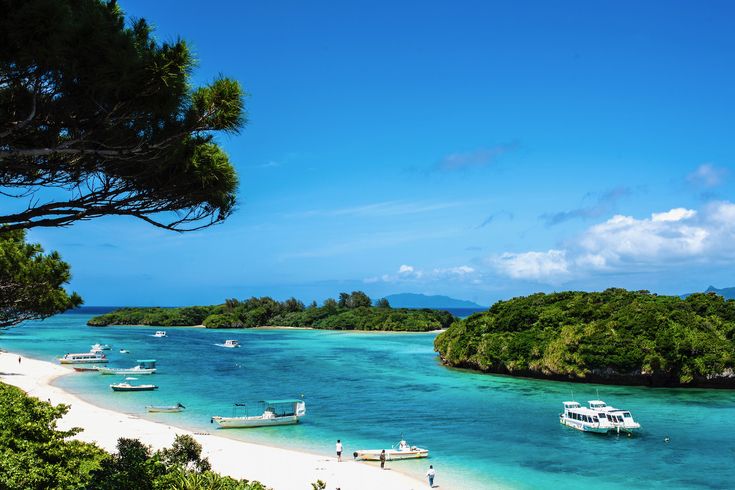
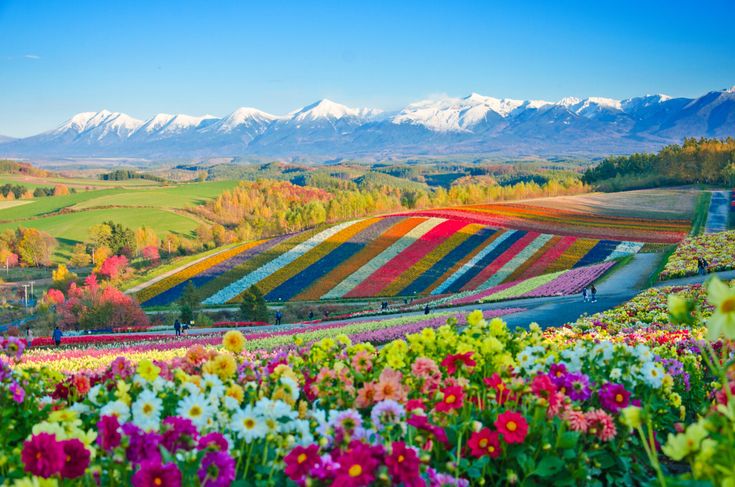
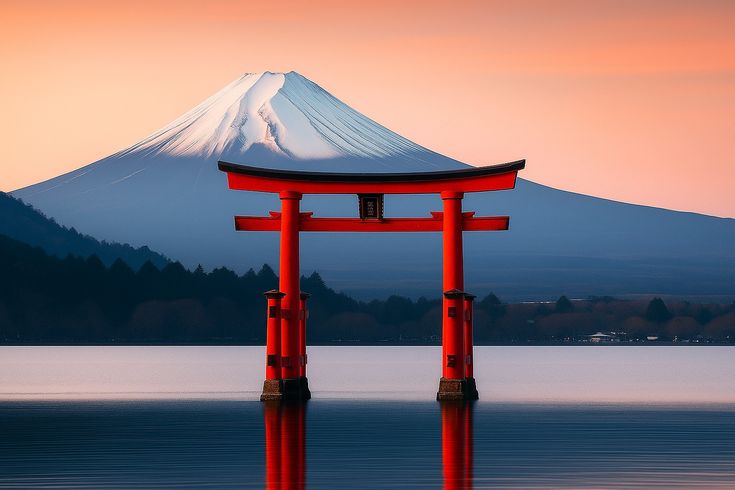
Beyond the cities, nature awakens in its own rhythm. In Hakone, mist rises over lakes and mountains, and cherry trees bloom beside hot spring inns. Hokkaido welcomes a later, cooler spring, with fields slowly turning green and the last traces of winter melting away. The Okinawa Islands feel warm and tropical, with early blossoms and bright blue seas that shimmer under the sun.
Spring in Japan is also a season of festivals and traditions. Shrines and temples host celebrations filled with music, lanterns and local food. Seasonal dishes appear everywhere — fresh strawberries, sakura‑flavoured sweets, and light, colourful meals that reflect the season’s gentle mood.
Everywhere you go, spring in Japan feels peaceful, elegant and full of quiet wonder. It’s a time when the country blooms in soft colours, when the air feels fresh and hopeful, and when every moment — like the cherry blossoms themselves — feels beautifully fleeting.
Travel tips
Japanese is the official language. English is understood in major cities, train stations and hotels, but less common in rural areas. Simple phrases like arigatou (thank you) and sumimasen (excuse me) are appreciated.

Japan has one of the best transport systems in the world. High‑speed Shinkansen trains connect major cities like Tokyo, Osaka and Kyoto. Local trains and subways are clean, punctual and easy to navigate. Buses reach rural areas, and ferries connect the islands. Renting a car is useful in Hokkaido or remote regions.

Politeness is central to Japanese culture. Bowing is a common greeting, shoes are removed in many homes and traditional inns, and speaking quietly in public spaces is appreciated. Queuing is respected everywhere. Tipping is not customary.

Currency: Japanese Yen (¥).
Cards are accepted widely, but some small shops and rural areas prefer cash.
Japan is extremely safe, with low crime rates and helpful locals. Earthquakes can occur — follow local guidance and stay aware of emergency instructions.